
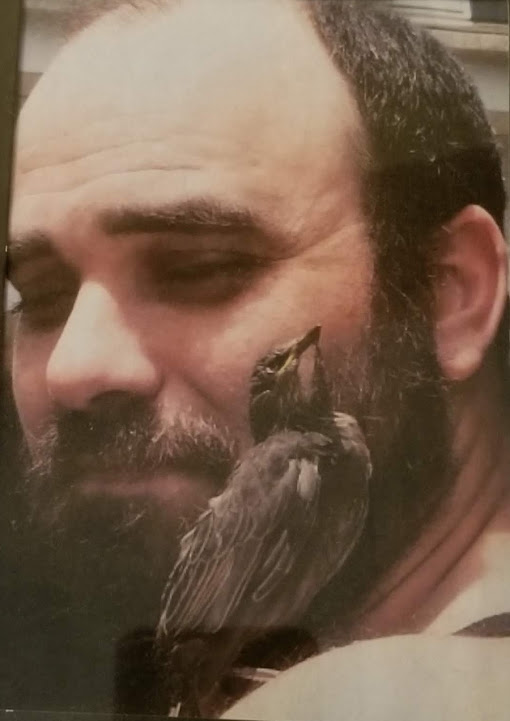
Jesse Jhon Andrews died unexpectedly at home on November 11, 2025. He was 49, leaving a life marked by his son, his musical legacy as a published artist, his thought-provoking writings, his longstanding chronic medical issues, and his unmistakable personality. His passing on Veterans Day held a quiet significance for the family, as it was a day closely tied to the memory of his father, who himself was a Veteran and died from disease processes tied to his service in the military.
He was the only son of Murray and Ramona Andrews. They met in Bible College. His mother always called Jesse her “miracle baby.” Both parents wanted a large family, but after their first daughter was born, and then their second daughter was born with Cystic Fibrosis, they were afraid to have any more children. They prayed and asked God to give them a healthy son, and if they received one, they would not have additional children, knowing how much medical care their daughter required. Jesse’s father sensed the pregnancy before his wife did, and two months later it was confirmed. Lo and behold, it was a boy – and although he was born with a blood infection (which later resolved), he was otherwise healthy. His mother then had her tubes tied, keeping the promise they had made. They believed his birth was a gift from God, especially since Jesse was born on his mother’s birthday. Hence, he became known as the family’s “miracle baby.”
The family underwent a faith-led renaming during his youth, and the name Jesse, became the one he chose, and grew into as a man.
As a child, Jesse was curious, mischievous, bright, and full of life. He laughed easily, pushed every boundary, and seemed magnetically drawn to trouble – not out of malice, but because he had a restless spirit that couldn’t fit inside ordinary rules. School was a continual struggle. Dyslexia and learning difficulties made academics painful for him, and he often clashed with authority figures. Even so, his intelligence was unmistakable. His mind simply didn’t operate in the linear way that school demanded.
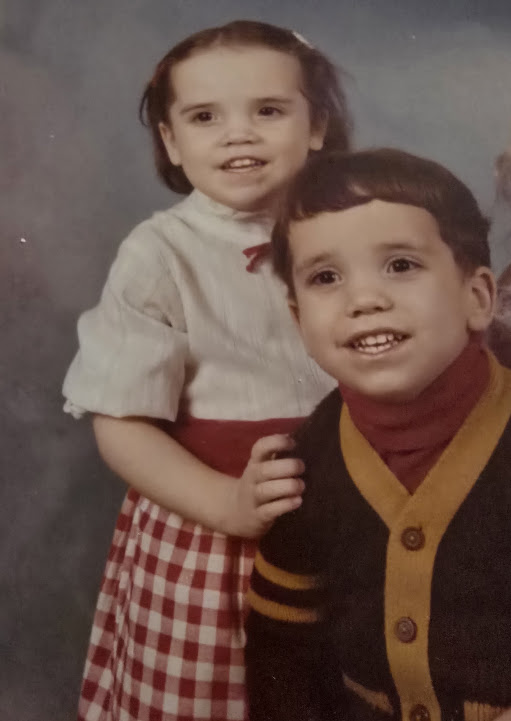
Jesse endured trauma early in life. He lost his older sister when she was just seven years old due to complications from Cystic Fibrosis treatment, a loss that shaped him emotionally from childhood into adulthood. He was a year younger than her, the youngest child, and the only boy. He later survived an abduction and assault that no child should ever experience. He also sustained multiple head injuries throughout his childhood, teens, and adulthood – his first major one occurring in his teens after a violent assault and another when involved as a passenger in a vehicle accident when a Sophomore in High School. These cumulative injuries eventually affected his cognition, personality, decision-making, and health in profound and lasting ways.
In the midst of all of this, Jesse revealed a rare and extraordinary musical gift. As an older child, he accompanied his sister to her piano lessons because it was easier for the family to pick the kids up together; he was not receiving instruction himself. When he eventually began his own lessons, everything changed almost immediately. After his first week, he awoke from a dream saying he had been “taught in his dream how to play.” He sat at the piano and performed a complex, sweeping piece despite having no real prior training. His teacher, deeply committed to her own religious beliefs, felt she could not continue teaching him or his sister because she could not reconcile or explain how he had learned so quickly. The family viewed his ability as a spiritual gift, and Jesse believed for the rest of his life that his music was taught to him by spiritual guides who reached him through dreams and inspiration.
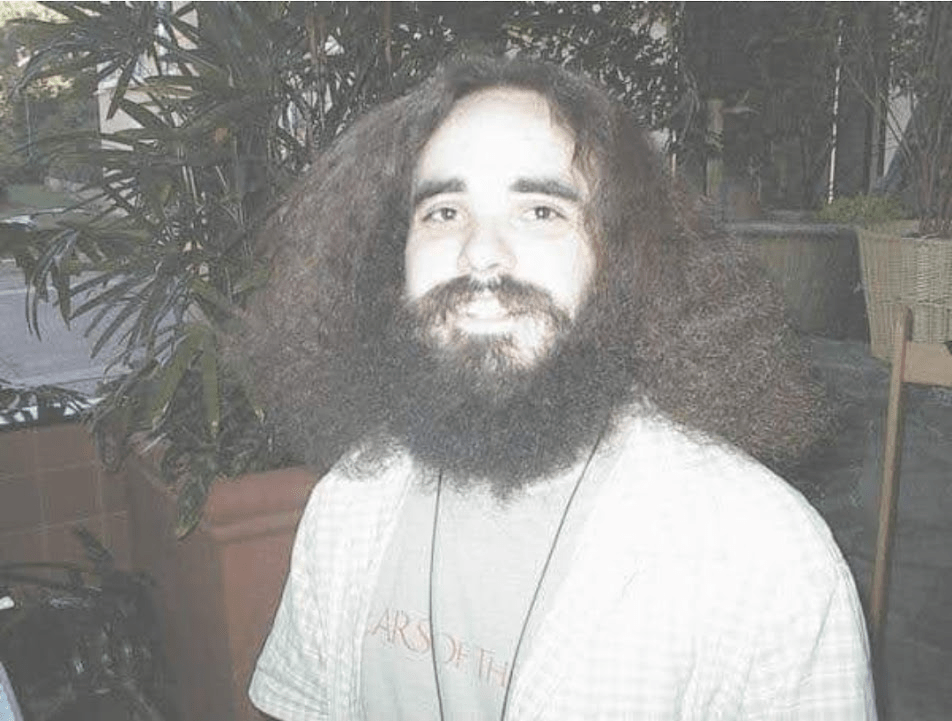



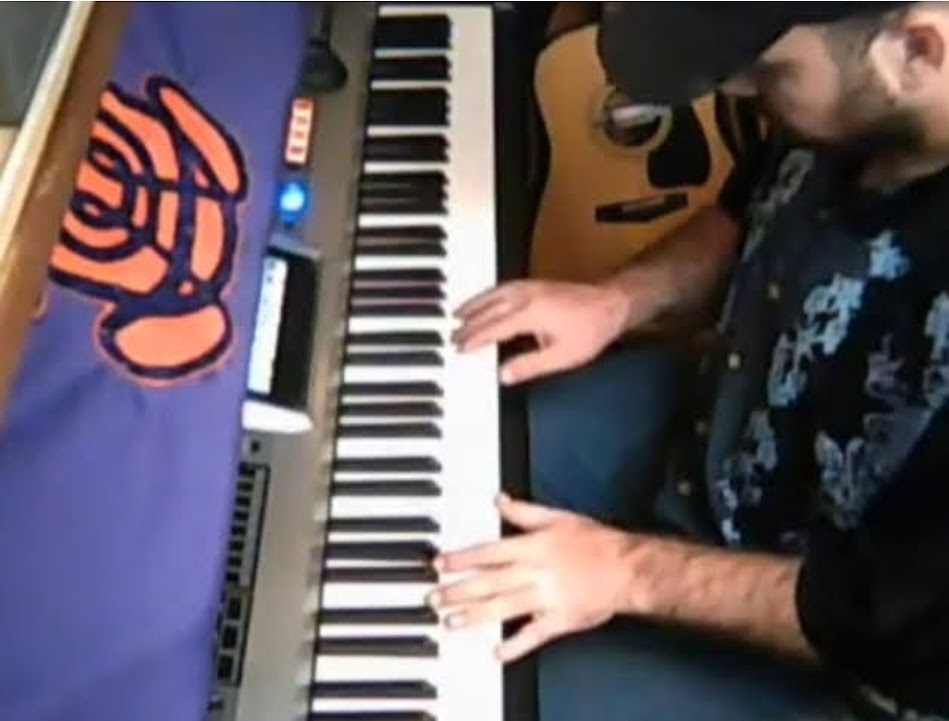
As a teenager and young adult, Jesse ran away multiple times, often leaving the family in fear and turmoil as they searched for him or waited for news. He survived several suicide attempts, experiences that deeply shook the family and revealed the depth of the internal battles he carried from a young age. Combined with his own impulsive and self-sabotaging decisions, driven by trauma, mistrust, and impaired judgment, these patterns created long-term consequences that shaped the course of his early adulthood.
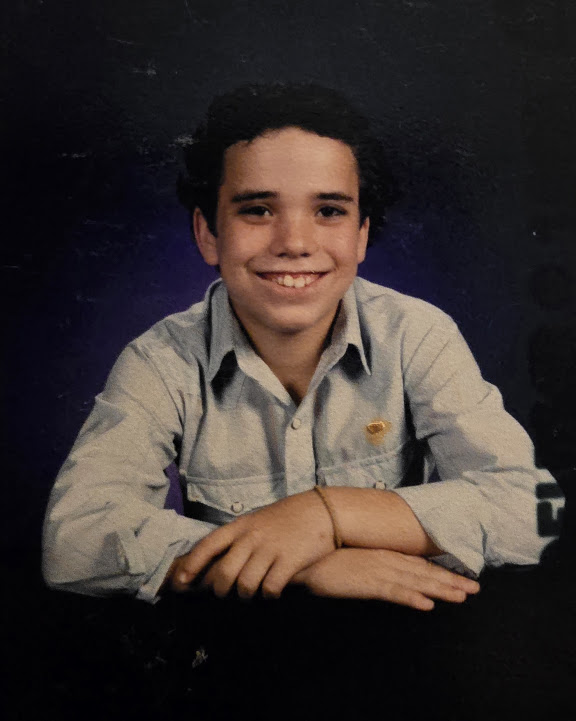
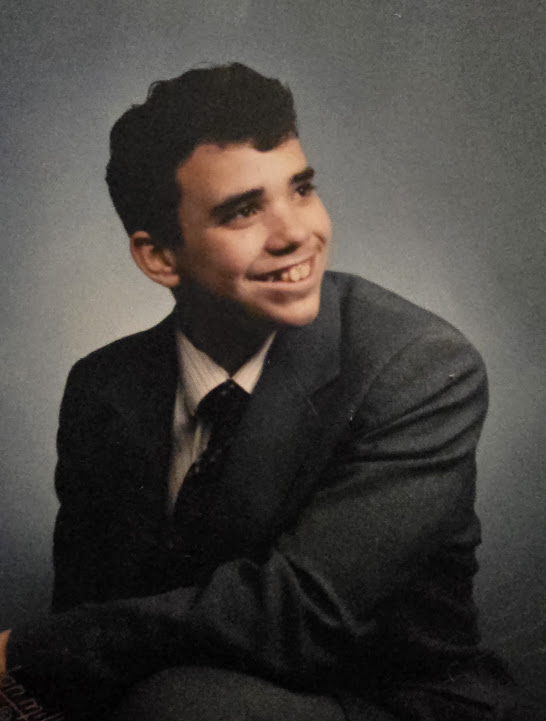
During his teenage years, Jesse showed moments of responsibility and capability that stood out against the chaos around him. One of the clearest examples was the small lawn care business he started and ran on his own. He worked hard, managed customers independently, and took genuine pride in earning his own money. It was a glimpse of the stability, discipline, and potential he had inside him – qualities that appeared in flashes throughout his life, even when circumstances and internal struggles pulled him in other directions.

At the same time, Jesse’s adolescence and early adulthood were marked by growing instability. The lingering effects of trauma, impulsive decision-making, and unresolved grief made it difficult for him to maintain healthy relationships or make steady choices. He became entangled in toxic or unhealthy environments and made decisions that were deeply affected by the pain he carried. These patterns, combined with mistrust, vulnerability, and impaired judgment, ultimately led to legal trouble that paused his life for seven years.
During his time in an institution, Jesse experienced one of the greatest and most profound losses of his life: the death of his father. He loved and respected his father deeply, and the inability to say goodbye or attend the funeral left a wound that never fully healed. His time there left him deeply conditioned by survival mode: hypervigilant, defensive, and ready to challenge anyone he perceived as a threat, even when the environment around him was safe.

The transition back into ordinary life was not easy. Despite being surrounded by family who wanted to support him, Jesse struggled to adjust to ordinary life. The survival-based behaviors he developed often came with him: he was quick to clash, quick to challenge, and quick to escalate when he felt misunderstood, threatened, or out of control. These patterns created tension and conflict within the household, even though everyone involved wanted peace. Yet beneath all of this, there remained a part of him that was trying – trying to rebuild, trying to find meaning, and trying to reconnect, even when he didn’t always know how to express it.
Finding and keeping work remained difficult. His emotional and cognitive struggles made long-term employment nearly impossible. He relied heavily on his family, which created strain but also reflected the undeniable reality that they were his only consistent support system. His family stood by him despite not fully understanding the complexity of his struggles – even when his behavior made life incredibly difficult.

In 2014, when his sister was critically injured in a near-fatal vehicle crash, Jesse travelled to see her without hesitation. The situation was life-threatening, and despite the complicated history and emotional distance between them, he came because family still meant something to him. After she survived emergency treatment, he went back home, to the State he lived in at the time, but when another high-risk surgery became necessary soon after, he returned again, offering support in the only way he knew how.
The original plan was simple: Jesse would stay only long enough to help, stabilize, and then move into a place of his own. But as time passed, it became clear that he needed ongoing support, not because of a medical decline at that point, but because life outside a structured environment posed challenges he wasn’t yet equipped to manage. What began as a temporary arrangement gradually became long-term, and Jesse eventually remained as part of the household.
Jesse had always been an exceptional carpenter – someone who could look at a space, imagine what it needed, and create it with precision, creativity, and no formal training. When he returned during this time, those abilities became visible once again. He repaired damaged areas of the home, built structures from scratch, and approached every task with an intuitive craftsmanship that was simply part of who he was. It was one of his quiet talents, one that brought real value and beauty to the place he lived.
Living with Jesse in the years after his return was complex, often exhausting, and emotionally unpredictable. The behaviors he brought with him were shaped by trauma and long-standing emotional wounds. He could appear demanding or entitled with anyone he came into contact with, both inside and outside the home. These reactions could turn ordinary moments into conflict without warning. The way he responded often left the people he interacted with tense or unsure of how to communicate with him. Even when the intention was simply to help or support him, misunderstandings could arise easily, which sometimes led others to view him as aggressive, avoid conversations with him, or feel uncertain about how to advocate for him one-on-one, with providers, community members, or anyone unfamiliar with his complexities.

Despite having a previous spinal issue from an injury lifting a piano when moving it, he was in exceptional condition. He was strong, muscular, and dedicated to martial arts throughout his life. He often trained rigorously, viewing martial arts as sacred work, a form of prayer and spiritual alignment that guided much of his inner life and helped ground him. Physical strength and discipline were a defining part of who he was. This would be contrasted sharply with the limitations he would face later in life. The years of trauma would eventually take more from him than just health – it slowly chipped away at his confidence and the sense of identity he had carried for most of his life. Despite this, his relationship with his spiritual self deepened. He followed intuitive, earth-centered practices, spoke of receiving guidance from spiritual guides, and moved through the world with a sense of connection to something beyond himself; a perspective reflected in his worldview, seen in his writings, and heard in the soulfulness of his music.
His major health decline came later, after a 2016 hit-and-run accident that caused yet another closed head injury. That event marked the beginning of a significant and lasting deterioration in his physical and cognitive health, but his living with the family had begun 2 years before that.
The changes were both physical and cognitive. The hit-and-run accident compounded years of past trauma and prior concussions, introducing new challenges that affected his mood, memory, regulation, and reasoning. He tried many approaches – spiritual, medical, and personal- to cope with the decline, but the gap between what he wanted to do and what his body would allow grew wider year after year.
In the months and years that followed, Jesse experienced a significant deterioration in his overall health. He gained a substantial amount of weight, his mobility decreased, and a wide range of symptoms began emerging. Daily tasks became increasingly difficult, and activities that had once been manageable or even easy became exhausting or impossible. His energy waned, his pain increased, and his body began limiting him in ways that were frustrating and frightening to him. Somehow, during all of this though, he still found ways to allow his humor to slip through the cracks and would often be sharing something that was sure to bring laughter to those he interacted with.
For Jesse, these latest injuries became the dividing line in his life: before it, yes things were hard; after it, they were harder and became overwhelmingly complex, restrictive, and medically challenging.
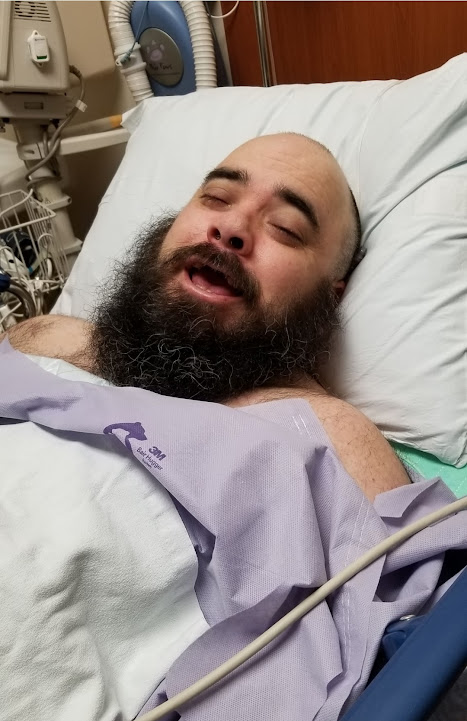
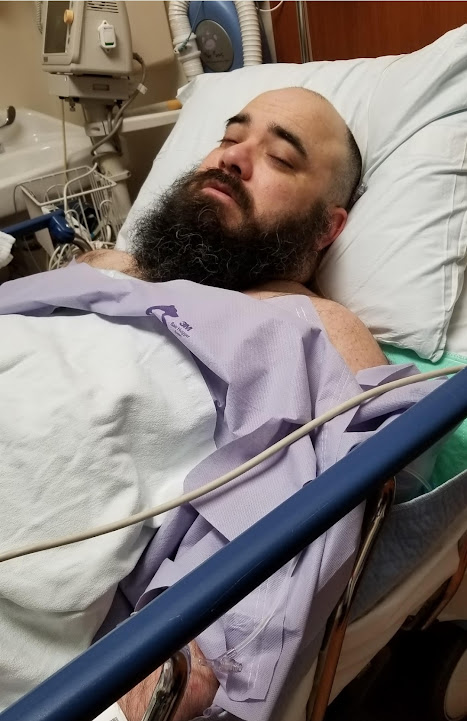

His presence in the home was complicated. There was love, obligation, fear, resentment, loyalty, and a sense of responsibility that pulled in many directions at once. Yet beneath all of it was an unspoken truth: this was the only place Jesse had where he was safe, supported, and anchored.

The family, over time, made sacrifices – quiet ones, and sometimes daily ones – that often went unseen from the outside. They would often set aside their own comfort or peace because they knew Jesse needed a place to land and had no other place he could go. Jesse was very aware that he was allowed to remain in the home because someone else was choosing compassion over comfort.
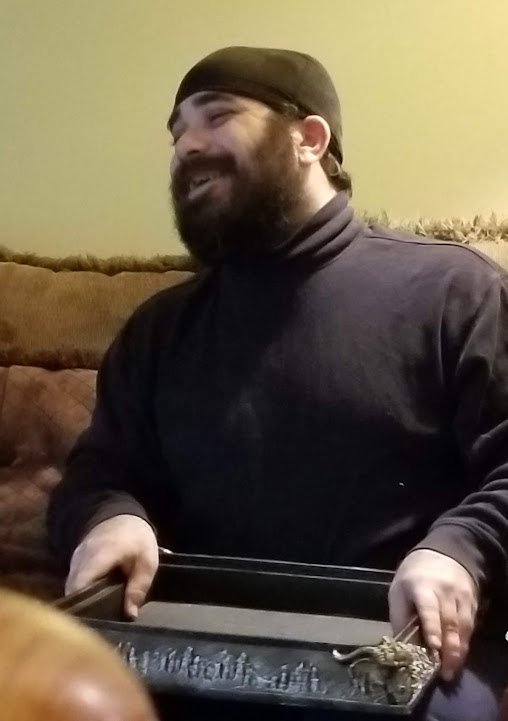
Jesse wanted independence, but he struggled with the responsibilities that came with it. He wanted connection, but his intensity often pushed people away. He wanted to be respected, but the way he expressed himself made that difficult. These contradictions were painful for him and for those who lived alongside him.
Jesse’s parents raised his son Nicholas since he was an infant, when Jesse was unable to, later completing an adoption. The two were reunited during Nicholas’s teen years, opening the door for them to rebuild a connection that had been interrupted but never erased.
Jesse’s relationship with his son was layered and emotional. Despite both of their strong personalities and the time missed from years of separation that neither of them could fully undo, there was a deep connection between them. Jesse cared about his son in his own way, even when he struggled to show it, and their relationship remained one of the most significant and emotionally charged parts of his life.
Throughout his life, Jesse kept a very small circle of friends, but the few who remained close to him meant a great deal. His longest and most steadfast friendship was with Justin Paul Becker, whom he considered a “star brother” and a kindred spirit in both creativity and belief. Justin was one of the people who understood the way Jesse thought, the way he created, and the way he viewed the world. Ross Proper, another long-time friend and someone Jesse mentored, also remained part of Jesse’s life over the years, offering connection, conversation, and loyalty during times when Jesse needed him most.
His martial arts sensei, Dan Ervin, and his long-term friend Carolynn “Autumn Wind Song” Dumas both preceded him in death.
These friendships, though few in number, were deeply significant to him. Many people passed through his life, but only a handful stayed long-term. Those who did made an impact….. Jesse never forgot, and he spoke often of the people who had shaped him, influenced him, or stayed connected despite the challenges and complexities that came with knowing him.

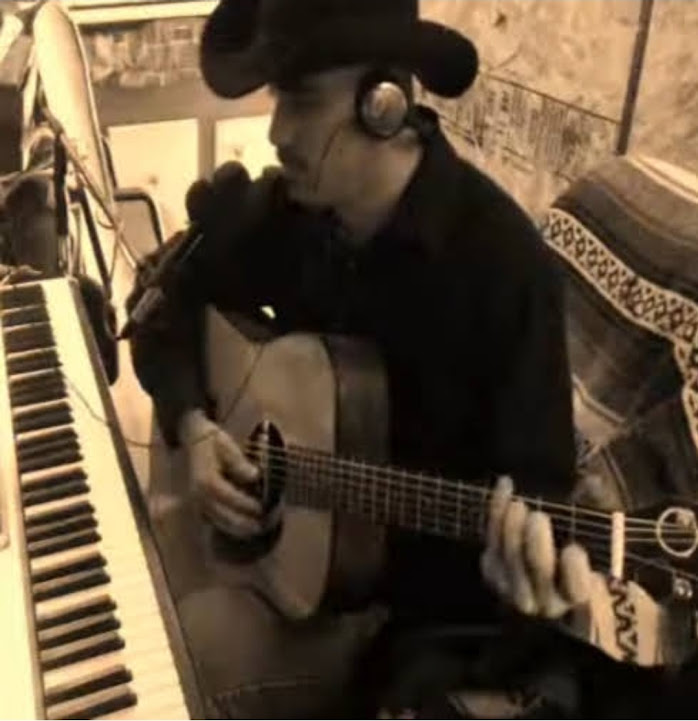
Jesse’s greatest contributions came through his creativity. His music, composed entirely by ear and guided by the vivid inner world he drew from, was the work he was most proud of. Jesse also lived with synesthesia – a blending of senses that allowed him to experience music as color, movement, and feeling. This sensory crossover shaped the vivid, immersive quality of his compositions and was a natural part of how his mind translated the world into sound. His albums, each piece uniquely his, reflected the way he experienced life: intensely, spiritually, and with a depth that was unmistakably his own. His writings, many completed and awaiting publishing, and some still unfinished at the time of his passing, were created with the same intention. He hoped they would encourage people to think for themselves, question what they believed, and see the world through a wider lens.

For those who knew him, Jesse will be remembered as a person who saw the world through a lens that was uniquely his. His beliefs were fluid, mostly literal at times, and often unconventional. He embraced ideas, including the Mandela Effect, seeing it as part of the larger framework through which he interpreted the world around him; often a view that others in his life didn’t always understand or agree with. All of these things, though, shaped how he understood himself and others. Jesse was a person of striking contrasts – brilliant and troubled, gifted and tormented, deeply spiritual and deeply skeptical, difficult to live with yet capable of profound creativity and insight. To understand him was to accept that he lived life intensely, often extremely, passionately, and entirely on his own terms.
His mind worked differently, and his creativity was the clearest expression of who he was. What he leaves behind is the work he believed in, the work he hoped would outlive him, and the pieces of himself he gave to those who walked alongside him.
He was also preceded in death by his father, Murray Andrews, his sister Anna who passed away at seven and a half years old, all 4 grandparents, several aunts, uncles, and cousins.
He is survived by his mother, Ramona Andrews; his sister, Caren (Andrews) Robinson, and her husband Rick (their five children and three grandchildren); his son, Nicholas Andrews; and other estranged relatives.
His family intends to preserve and support the completion of his music and writings, in honor of Jesse’s hope that his creations would be the trail of his legacy that could help, challenge, or inspire someone long after he was gone.

His music remains available at stringsoflight.com
and can also be found on Spotify

In keeping with the family’s wishes, a private viewing and gathering will be held.
In lieu of flowers for Jesse Andrews, contributions toward recouping funeral expenses or donations to the family can be sent to his family HERE ( https://donate.stripe.com/8x200idnm7945sF89f9bO00 )
or you can donate to HOPE TBI ( https://hopetbi.com/donations – a site bringing awareness to brain injury and polytrauma)
Return To DEARLY DEPARTED Page
Thank you for visiting the HOPE TBI Website.
Please take the time to make a comment, share your thoughts, and tell us what impacted you the most and what brought you here:
Your input is important to the development and growth of this website, and we like to know what is going on out there in your thoughts.
Thank you for visiting us! We look forward to hearing from you.
 HOPE TBI