A Personal Update: Honoring My Voice, My Values, and My Path Forward
Many of you know that for the last 6 years, I have had the blessing of co-hosting a brain injury radio show monthly (and sometimes twice a month) with Kim Justus on “Recovery Now” through Blog Talk Radio. It has been one of the most meaningful parts of my rehabilitation journey.
What began as a platform for education became something much deeper, a space for healing, connection, advocacy, and purpose. It also became an important part of my identity, both personally and professionally. When the platform we were using suddenly closed down without adequate warning, we were forced into a 9-month hiatus while we navigated our own personal events in our lives. In the meantime, we were also exploring various options and platforms where we could settle in, to continue hosting the brain injury radio show at its new hosting site. We finally were able to plug back in and were thrilled to offer our show not just once a month, but twice per month, and things were developing nicely.
As someone living with and navigating the realities of brain injury and polytrauma, this work has never been just “content.” It has been a lived experience, growth, and a way to support others walking similar paths.
Because of that, I want to share something openly and honestly with my followers, those who have approached me with questions, and those who are supportive in the Health and Wellness Communities:
I am no longer part of that particular radio show.
This was not a decision I made or agreed with, and it was not one I initiated.
A Clarification That Matters
There may be messaging that suggests I chose to step away to pursue other goals. While I am always growing and expanding in my work, my departure from the show was not a personal decision to leave.This transition followed a difference in perspectives that extended beyond the scope of our work together.
I share this not to create division, but to provide clarity with honesty and respect.
Where I Stand Personally and Professionally
I have taken a while and personally debated whether to address any of this publicly. However, so many of you that have been loyal over the years through your messages, support, and as a part of our listening audience have been reaching out because you noticed there were some changes. I felt I owed you some clarifying commentary.
Many of you know that I keep my professional platforms intentionally nonpartisan and focused on education, healing, and empowerment as much as possible. After all, Brain Injury, Polytrauma, and the need for support does not discriminate based on personal beliefs or personal values.
At the same time, I am also a human being with my own personal values, and don’t often shy away from speaking my mind….especially in my personal circles.
On one of my personal social media platforms, I have spoken about issues related to:
human rights
civil rights
advocacy
dignity and ethical treatment for all people
These are not positions I take lightly. They are rooted in my lived experiences, my work in advocacy, and my belief that all people deserve to be treated with respect and humanity as part of the human race.
I understand that not everyone will agree with my personal views, might find them offensive, and that’s okay.
But I want to be clear:
I will not apologize for standing in alignment with my values when it comes to human dignity, advocacy, and the protection of others.
That is not political to me.
That is foundational to who I am – both as a person and as a professional.
Advocacy Is Not Selective
In my work, I support individuals navigating complex medical systems, trauma, and life-altering conditions.
Advocacy cannot be conditional. It cannot depend on convenience, comfort, or agreement. It often boldly goes where others avoid or are unsure how to represent what needs to be said.
Whether someone is a patient, a provider, a caregiver, or part of any system…..accountability, courage, and compassion must coexist.
Continued Support for the Broader Mission
I want to be clear that my release from the show does not change my respect for the work being done by the show, the network, or within the broader brain injury community.
I continue to support the mission of education, advocacy, and awareness that platforms like HOPE TBI, Recovery Now, Brain Injury Radio, the TBI Network, and other like-minded folks aim to provide.
My commitment to this space remains strong, and I will continue contributing through my own platforms, including HOPE TBI and my other ventures.
Moving Forward
While this transition was not one I specifically chose, it has created space for me to continue expanding my work in ways that remain fully aligned with my mission.
Through HOPE TBI and my ongoing advocacy, I will continue providing education, awareness, and support to those navigating brain injury and recovery. In fact, look for some upcoming surprises and growth opportunities in 2026 involving HOPE TBI and the path forward.
This work has always been, and will continue to be, about helping others find clarity, strength, and hope. It will always remain an extension of my love for the global community.
To Those Who Have Supported Me
To those who have listened, learned, shared, and grown alongside me over the years – thank you. I am truly blessed to have your support.
Your trust, your stories, and your resilience have meant more than I can fully express. I look forward to many more years of hearing from you and sharing with you.
This is not the end of my light or my voice. I can assure you of that. It is simply a shift in where and how that voice continues, and where that light continues to shine.
Please take the time to make a comment, share your thoughts, and tell us what impacted you the most and what brought you here: REVIEWS and TESTIMONIALS
Your input is important to the development and growth of this website, and we like to know what is going on out there in your thoughts.
Thank you for visiting us! We look forward to hearing from you.
With a heavy heart we share our loss, wish a peaceful transition and reflective thoughts to our
dearly departed HOPEster…..Jesse Jhon Andrews.
Jesse Jhon Andrews lived a life that was complex, creative, and unforgettable. His story is not easily summarized, because he was not a man of simple lines. Jesse felt deeply, created passionately, and saw the world through a lens uniquely his own. His music, writings, and the lasting imprint he left on those who knew him continue to speak even in his absence.
We invite you to visit Jesse’s Memory Page, where his life, his work, and the stories shared by those who loved him are preserved. This page honors not just his struggles, but the incredible brilliance, depth, and one-of-a-kind spirit that defined him. This page serves as a place where his story can continue, where his voice can still be heard through the work he left behind, and where those who knew him, or wish they had, can connect with the legacy of a life that was lived fiercely and uniquely.
Explore Jesse’s Memory Page by clicking the word below that says “HERE”:
Human beings are creatures of time. We are preoccupied with what time it is, getting somewhere on time, keeping calendars, planners, setting timers, setting alarms, and wondering how much time is left so we can stretch our budget until our next payday, and even how much time is left in our current life. Maybe we are even too obsessed at varying moments throughout our life and as a society as a whole.
Some, like Albert Einstein would even say that time is an illusion…a distraction to keep us shackled between the past and the present. To many physicists, like Carlo Rovelli, who says “…our perceived reality is a sequence of events (past, present, and future), and we assign the concept of time to that sequence” – thus making time an illusion.
Other physicists would say that while we experience time as psychologically real, time is not fundamentally real.
The sensation of time seeming to perpetually “freeze” often arises as a byproduct of awe or amazement, that rare but overwhelming feeling of reverence we experience when witnessing something wonderful or miraculous.
Interestingly, one of the strangest side-effects of intense dread or fear, is the magnification and simultaneous slowing down of time. This is often put into visual form in movies when we see a specific moment or scene slowed to a very dramatic and obvious pace that seems surreal.
Additionally, a lot of us find ourselves losing track of time. Among all the things that can cause this losing track of time phenomena, there are some medical things to consider as possibilities. For example, how fast we are able to process our sensory input along with what we experience with our senses can change our perception of time. There are even a few studies that show that an auditory event can appear to last longer than one that we see visually. According to one study, we feel time passing faster when we enjoy things that are rewarding or pleasurable, which increases dopamine activity in the brain. Losing time can also indicate dyschronometria (loss of time due to dyslexia, dementia, or certain parts of the brain being damaged), ADHD, or mental health issues such as depression.
On the non-medical side of things, losing time is often experienced when we become unaware of time passing as a result of being fully absorbed in an activity or task, a consequence of procrastination, a sea of distractions, having poor time management skills, having busy schedules, following a monotonous routine, lacking motivation, or even caught up in a few moments of unplugged mindful bliss.
Another common way of tracking time is birthdays, the celebration we embrace that says we have managed to survive the trials and tribulations of another passing year. I recently celebrated my 50th birthday, 5 decades, or a half of a century depending on whether it is laden with jokes or not.
Another way of marking milestones of time is by recognizing certain anniversaries. Some anniversaries are endured (usually those associated with heartache, sense of loss, or grief); and some celebrated (like a birth, graduation, marriage, accomplishment, or milestones).
This brings us full circle to what is spurring the creation of this Blog today. This year marks the 10 year Anniversary of the very thing that inspired this very blog – an auto accident on January 4, 2014. I have posted a blog every year on or around this Anniversary, with the exception of last year (the 9th year). I was prepared to write one and then as each day passed it became something I felt I had to forego as the words I envisioned putting here seemed too far out of reach. This year, I genuinely wanted to post this on the 4th yet as the 4th got closer and closer I started to feel some kind of absolute obligation to acknowledge how far I have come. 10 years, after all, is a hell of a milestone.
I kept sitting with the words, thoughts, experiences, and memories, or lack thereof, swarming in my head of the last 10 years of this recovery and rehabilitation journey; a journey where I have inherently made, and continue to make, valiant steps at re-inventing myself. I am slowly blossoming into the me I have been becoming, and it is ironic how things have come full circle, and I am left with a stark realization that I have been gifted with time. This whole process has been extensively mind boggling, emotionally mercurial, and fills me with pause.
Let’s make a full stop to digest that for a moment.
There are many events, lessons, personal developments, professional developments, and a sordid amount of moments that have taken place. The list would be impossible to delineate or detail in a simple blog post. Yet, all have been consequential to my growth as a human being with all the cloaks of comfort and opportunity I wear (as a mom, wife, sister, friend, survivor, student, advocate, business owner, etc).
I will take this opportunity though to turn the hourglass into a verbal synopsis. Pain still wreaks havoc with me, often very unpredictably, though is more managed. Mobility is still a challenge in lots of ways, and in some ways I see, declining, yet I am still mobile, breathing, functioning. This is worth celebrating. Finances are an ongoing real struggle, yet we still find a way to make things possible. I am sure this is due to a lot of divine intervention and is truly a miraculous feat in and of itself. I am currently safe in a home with my family, and in a Country with amenities we would not be afforded in other Countries, and for this I am deeply grateful. My memory and emotions are all over over the place – each like a new discovery that I continue to protect and covet. My health is a rubik’s cube that occasionally lines up, and other times is a series of rotating puzzle pieces. However, I am still able to think, research, learn, and evolve.
I have a deep appreciation for the linked together moments that build on each other. I have been enjoying the last 3 years as a new grandmother. We now have 3 grandchildren. We have lived to see only 2 boys left at home, our youngest start High School, and I myself have even returned to school to further my own education. I have met many professional goals (albeit much slower than I originally envisioned), and continue to move forward with this venture. We have all been blessed with 9 more years of time with my mom (who nearly died, went on and came off a vent in 2015). Indeed, there are many things to be grateful for.
My journey has afforded me the opportunity to network, meet, and advocate with lots of providers, organizations, individuals, and groups that I may not have had the opportunity to know without the time that I have been given.
This is what guides me and propels me in a forward thinking fashion. Seeing the precious process of experiences, creating new memories, and choosing to navigate all things given – whether effective or ineffective in my life.
As time passes, and I continue to reminisce about the last 10 years, and what the next 10 years might hold, I continue to be wrapped in the warmth of HOPE, faith, and an ever present growing awareness of my own mortality.
Until then….we celebrate! We celebrate being 50 years young. We celebrate only being halfway to reaching a century. We celebrate not only surviving, but thriving! We celebrate those moments that build into additional moments, which build into – despite any disabilities, hurdles, struggles, or setbacks – a life worth living.
~Caren Robinson, January 2023
I look forward to hearing your feedback. There are a number of ways to connect.
Happy 10th Anniversary to me and all my fellow HOPEsters!
What in the world is this comment about sex being the “final frontier”? Okay, let me explain.
We are not talking about Star Trek here, though its reference to “Trekkies” is well known. The “final frontier” references space and how space is truly massive. It is estimated that the Universe is 100 billion light years across and still expanding. It’s “final” because it is assumed that our species (as humans) will never survive long enough (in our current form) to explore it all; it means that the voyages of outer space are continuing as we explore and discover strange new worlds; seek out new life and new civilizations.
What does any of this have to do with sex you ask, or removing its stigma? It can seem quite daunting learning all there is to know about sex. There is so much to learn about the body. We are still making discoveries, gaining knowledge, and opening up new opportunities for awareness as time marches on. We are only just beginning to discover how our brain and bodies are connected, how hormones change, how gender differences and other forms of trauma affect rehabilitation and healing processes; and how best to nurture neuroplasticity. We are just touching the surface of how our bodies change during and after trauma. I am certain this will be a discussion that continues as science and studies evolve. However, now, in this moment – let’s get back to the topic at hand.
What’s not to love about feeling good and enjoying feel good touch, closeness, intimacy, and unbridled pleasure? Some may refer to this experience as being “turned on”. However, what happens when that getting “turned on” experience stops working and suddenly becomes mysteriously illusive by getting “turned off”.
I became interested in this topic in the quest for exploring my own experience with my own sexuality changes after being struck with a polytrauma and traumatic brain injury as a result of a 2014 motor vehicle accident. Consensual sex has been an incredibly important and enjoyable part of my development as an individual, a woman, and as a wife. When I first started having sex I found it to be quite pleasurable, and a treasure hunt of sorts to new lands of awkward fumbling, exploratory kinks, taboo experimentation, joyful and explosive orgasms, and body riveting transcendent experiences. My libido was….what I assumed… normal. However, later I would learn when comparing with my other female friends, quite a bit higher than most of my counterparts. What can I say?….I loved sex and all the things that came with the consensual experience. I think sometimes, my desire outweighed the interests of my partner and that could get complicated sometimes. We always found the humor in it – that is, until the accident.
After the wreck, so many things changed about my body. I had…and still have, so many things going on, on so many levels. I was dealing with orthopedic injuries, multi-system issues, endocrinological changes, difficulty breathing as a result of injuries sustained, a traumatic brain injury, cognitive changes, mobility issues, no libido whatsoever, and the sudden inability to do anything myself, including take care of my own body (dressing, bathing, etc) I also suddenly stopped having my menses (medically referred to as amenorrhea).
Okay, here’s some extra-extra that is a bit, you know, EXTRA! In the last 9 years (as of this writing anyway) of this rehabilitative journey, I have had my menses a total of about 4-5 times. On one hand, yay, no messes to contend with. On the other hand this comes with a whole host of potential medical cascading issues for the future – none of which are foreboding of good health and great times. In this part of my life, I continue to live on the precipice of a continual balance between fear and relief. I have not had a thriving and spontaneous libido during that whole time…probably less than the number of times I have had my menses. It sputters, it comes and goes, or just lies dormant just out of my reach and ability to find it. Talk about a mood killer. I couldn’t understand it. My mental interest and desire, and more often than not – lack of interest and desire, was not matching what my body was willing to receive or give in contrast to attempted experiences of the sexual part of me that seemed to be perpetually “turned off”. This dramatically affected me as an individual, a woman, and my relationship with my husband as his wife. God bless him – he has the patience of Job (bible reference there). This brought me to a serious hunt about, “what the hell was going on with my body, and why?” Surely other people had or were experiencing this same strange phenomenon. Guess what? I discovered in my research…that they were! Why did I have to find out about this on my own instead of having this discussed as an important part of my rehabilitation plan by the medical professionals who should have been educating me? I had so many questions!
This blog’s proposed focus is to discuss the relationship changes that take place in the intimate aspects of a relationship after brain injury and trauma. One of the many questions I let guide my research was what changes can happen regarding intimacy and sex after a blunt trauma and what are some ways to adjust to those changes? Another question was how can we normalize talking about sex, identify any changes in the sexual aspect of a person’s life, and the importance of one’s sexual identity as part of the healing process or the rehabilitation plan after a trauma? How can we address the stigma that individuals with disabilities or mobility issues are not human beings with desires, needs, and an interest in that part of their lives?
I am hoping that the blog will accomplish opening up a dialogue about a seemingly taboo topic, rarely even discussed by healthcare professionals with their patients. I am hoping that it will help “normalize” the conversation about sex, our understanding about how sex affects our health, and how a person can manage any changes they may be experiencing after having a change in the way they engage sexually with their partner after a trauma. Viewing sex as an important topic in a rehabilitative care plan along with the other body systems, is worth addressing.
Brain injury is a growing health care crisis in our Country as is the awareness of mental health issues. Changes in intimacy/sexual relationships is quite common after brain injury, yet this isn’t widely discussed. A person’s body goes through numerous endocrinological changes that can affect libido, ability to perform, etc.
Common characteristics for persons with moderate traumatic brain injury include long and short term memory loss, being easily distracted, quickly angered, inability to solve problems, get tired quickly, and difficulties with sexual desires (Sica, 1996).
Many patients with brain injuries report physiological sexual disturbances and decreased sexual ability (Kreuter M;Dahllöf AG). Women with traumatic brain injuries (TBI) have been historically underrepresented in clinical research. Compared to the sexuality of women with neurodisabilities, male sexual problems and treatments are better documented (Bell, K. R., & Pepping, M.) Based on this high level of commonly reported changes as a result of a traumatic brain injury, it is important to inform patients about possibilities of optimizing their sexual ability. Programs organized to provide sexuality education should be an integral component of TBI rehabilitation. (Kreuter M;Dahllöf AG)
Sexuality, even before brain injury, is one of the most complex aspects of life. Sexuality can be seen on the pyramid in the hierarchy of needs for every human being since physical touch, intimacy, and love are an important and essential part of not just living life, but having quality of life as part of that existence. This is further evidenced by the works of Maslow.
In Maslow’s Hierarchy of Needs Theory, the specific needs are listed in detail in a hierarchy of needs pyramid (Maslow, 1970). Maslow’s Hierarchy of Needs is used today for assessing a person’s quality of life (Collins, Lanham, & Sigford, 2000). Health-related quality of life is affected by the person’s physical health, psychological state, level of independence, social relationships, and how these factors combine with one’s environment (World Health Organization)
Maslow developed five levels of the hierarchy of needs; physiological needs, safety needs, love needs, esteem needs, and self-actualization needs (Maslow). The bottom two levels are physiological needs and safety needs which, together, make up basic needs. Physiological needs are biological in nature. For example, the needs for oxygen, food, water, and a relatively constant body temperature are parts of physiological needs. These needs are the strongest, because if the person does not satisfy these needs, then the person would die. Safety needs are the establishment of stability for oneself. Next are social and esteem needs—also referred to as psychological needs. Love and belongingness are the needs to help escape loneliness and alienation and causes a person to have a sense of belonging and a sense of being loved. Esteem needs have to do with people needing a stable high level of self-respect, and respect from others. Self- confidence and feeling valuable are also part of this level. If these esteem needs are not met, the person feels inferior, weak, helpless and worthless. Self-actualization needs are at the top level of Maslow’s pyramid, and someone who is self-actualized is said to be at (or in the pursuit of) their full potential. The need for self-actualization is the desire to become more and more what one is, to become everything that one is capable of becoming. The person who has all the other needs can maximize his or her potential (Maslow, 1970).
Sexuality, while complex, becomes even more complex when you add to it, damage from an injury or trauma that causes changes to that quality of life. Brain injury can directly and indirectly affect important aspects related to sexuality and sexual function. (Moreno JA). To date, there seems to be no study that addresses the possible interventions that can improve awareness of deficits and perceptions of quality of life of persons with traumatic brain injury.
Specifically, examining whether interventions can successfully improve perceptions of quality of life and awareness of deficits are not often seen in the literature. (Chandrashekar, R. 2005)
A brain injury commonly alters sexual functioning as well as desire. It causes a decreased ability to achieve an erection, decreased ability to experience orgasm, decreased sexual desire and diminished frequency of intercourse. A high degree of physical independence and maintained sexual ability were the most important predictors for sexual adjustment. (Kreuter M;Dahllöf)
Two Types of Brain Injury
There are two types of acquired brain injury: Traumatic and Non-Traumatic
The first and most common is called a Traumatic Brain Injury (TBI). A traumatic brain injury (TBI) is defined as an alteration in brain function, or other evidence of brain pathology, caused by an external force. Traumatic brain injuries are defined as closed (or non-penetrating), or open (penetrating).
Injuries from sports or during combat (such as blast injuries from explosions)
Severe head injuries usually result from crushing blows or penetrating wounds to the head. Such injuries crush, rip and shear delicate brain tissue. This is the most life threatening, and the most intractable type of brain injury. TBI can also cause epilepsy and increase the risk for conditions such as Alzheimer’s disease, Parkinson’s disease, and other brain disorders that become more prevalent with age.
Repeated mild TBIs occurring over an extended period of time (i.e., months, years) can result in cumulative neurological and cognitive deficits. Repeated mild TBIs occurring within a short period of time (i.e., hours, days, or weeks) can be catastrophic or fatal.
The second type of non-traumatic brain injury is often called an Acquired Brain Injury(ABI). A non-traumatic brain injury causes damage to the brain by internal factors, such as a lack of oxygen, exposure to toxins, drugs, pressure from a tumor, etc. Examples of an ABI are:
Stroke
Near-drowning
Aneurysm
Tumor
Infection disease that affects the brain (ie: meningitis)
Lack of oxygen supply to the brain (ie: heart attack)
Drug Use
This blog specifically is focused on the research surrounding TBI’s, yet there are similar issues for those with ABI as well.
“Twenty percent of spouses/partners of persons with TBI reported sexual dysfunction, and 44% reported dissatisfaction with sexual functioning. Sixty-two percent of spouses/partners reported a decrease in sexual activity during the year postinjury, 34% reported a decrease in sexual drive or desire, and 34% indicated that sexuality was less important in comparison to preinjury. The sexual functioning of spouses/partners of persons with TBI was highly associated with the sexual functioning of the person with TBI. Age of spouses/partners and sexual functioning in persons with the TBI were significant predictors of spouses’/partners’ sexual functioning, even after controlling for sex of partners and the physical, cognitive, participation, and sexual functioning of the persons with injury”. (Sander AM;Maestas KL;Pappadis)
Rehabilitation professionals should provide education on the potential impact of TBI on sexual functioning for both persons with TBI and their spouses/partners, and integrate the assessment of sexual functioning into their clinical assessment, making appropriate referrals for therapy.
Where does our sexuality come from in our brains? “It is clear that frontal especially prefrontal lobe plays a role in sexual functioning as the cognitive functions are controlled by these areas and are significantly correlated with sexual functioning. The frontal lobe plays a valuable role in a person’s ability to plan, organize, emotional and behavioral control, personality, problem-solving, attention, social skills, flexible thinking and conscious movement. Injury to this area can cause problems such as inappropriate sexual behavior, difficulties with initiating sexual activity or difficulties with motivating oneself to engage in sexual activity. It can also cause difficulties with experiencing pleasurable and sexual sensations, spontaneity, and the build-up of arousal.
The temporal lobe plays a role in a person’s memory, recognizing faces, generating emotions, and language. Injury to this area has been linked to an increase in sexual interest and emotions (hyperactive sexuality), although it can also result in a reduced sex drive (hypoactive sexuality). Some people who have had temporal lobe injury have also been found to develop paraphilias (abnormal sexual interests that can sometimes be dangerous or illegal). Damage to pathways in the frontal and temporal lobes has been linked to difficulties in understanding whether someone else is interested in sexual contact, for example through body language and ‘reading’ emotions.
The parietal lobe plays a role in a person’s perception, spatial awareness, manipulating objects, and spelling; Wernicke’s area – understanding language; Broca’s area – expressing language. Seizures in this part of the brain can cause some brain injury survivors to experience sensations in their genitals, including heightened sexual arousal or sensations that are not pleasurable. For some survivors these sensations can even be irritating or painful.
The hypothalamus and pituitary gland parts of the brain are responsible for producing hormones in the body that regulate sex drive. Damage to these parts can therefore result in hormonal problems.
Brain injury is known to cause changes in thinking, behavior and body function which alters the way a person experiences and expresses their sexuality.
Changes to sexual behavior after brain injury could include erectile problems, reduced libido, the inability to orgasm, and the reduction in frequency of sex….or the increase and uncontrolled acting out of sexual behaviors/acts.” (Robinson, C. – 2021)
The following changes in sexual functioning can happen after brain injury in men and women alike:
“Decreased/Increased Desire: Many people may have less desire or interest in sex. Some people have increased interest in sex after brain injury and may want to have sex more often than usual. Others may have difficulty controlling their sexual behavior. They may make sexual advances in inappropriate situations or make inappropriate sexual comments, or vocal outbursts randomly.
Decreased Arousal: Many people have difficulty becoming sexually aroused. This means that they may be interested in sex, but their bodies do not respond to the touch felt that would normally stimulate sexual arousal. Men may have difficulty getting or keeping an erection. Women may have decreased vaginal lubrication (moisture in the vagina), or lack of sensation in the clitoral/vulva areas.
Difficulty or Inability to Reach Orgasm/Climax: Both men and women may have difficulty reaching orgasm or climax. They may not feel physically satisfied after sexual activity, or feel guilty for not coming to climax with their partner.
Reproductive Changes: Women may experience irregular menstrual cycles or periods.
Sometimes, periods may not occur for weeks or months after injury, or may stop altogether. They may also have trouble getting pregnant and develop signs of infertility. Men may have decreased sperm production and may have difficulty getting a woman pregnant.” (Robinson, C. – 2021)
This begs us to then ask questions about what causes changes in sexual function after brain injury? There are many, including some that are related to the brain itself. Others are
related to specific physical problems or changes in how a person may be thinking about sex or their relationships in general. Perhaps they have developed personality changes which have changed how they feel about the people they associate with.
There are many reasons sexual problems happen after someone has a brain injury. Some are directly related to the damage to the brain itself. Others are related to physical problems or changes in how the person is thinking about sex or relationships in general. They may also have had personality changes which causes them to change how they feel about the person(s) they are in relationship(s) with.
“Possible causes of changes in sexual functioning after Brain Injury include:
Damage to the Brain: Changes in sexual functioning may be caused by damage to the parts of the brain that control sexual functioning.
Hormonal Changes: Damage to the brain can affect the production of hormones, like testosterone, progesterone, and estrogen. These changes in hormones affect sexual functioning.
Medication Side Effects: Many medications commonly used after brain injury have negative side effects on sexual functioning.
Fatigue/Tiredness: Many people with brain injury tire very easily. Feeling tired, physically or mentally, can affect your interest in sex and your sexual activity.
Problems with Movement: Spasticity (tightness of muscles), physical pain, weakness, slowed or uncoordinated movements, and balance problems may make it difficult to have sex.
Self-Esteem Problems: Some people feel less confident about their attractiveness after Brain Injury. This can affect their comfort with sexual activity, their ability to perform, or their perception of how they may or may not perform.
Changes in Thinking Abilities: Difficulty with attention, memory, communication, planning ahead, reasoning, and imagining can also affect sexual functioning.
Emotional Changes: Individuals with brain injury often feel sad, nervous, or irritable.
These feelings may have a negative effect on their sexual functioning, especially their desire for sex.
Changes in Relationships and Social Activities: Some people lose relationships and friendships after brain injury or may have trouble meeting new people. This makes it difficult to date, build meaningful relationships, or find a sexual partner they are confident with, if they find one at all.” (Robinson, C. – 2021)
How do people with disabilities experience and engage with themselves as sexual beings? We have clearly established that while sexuality will remain a complex part of our lives, it has the potential to be greatly affected by brain injury and the cascading symptoms of that injury.
This cascade of symptoms can lead to dynamic changes to an individual’s ability to identify with their own sexuality in a familiar way and may change their outlook and experiences altogether. Sometimes these changes result in disabilities that may or may not be physically seen.
The sexual lives of people with disabilities have been disregarded and stigmatized. As a result, sexuality as a form of pleasure and an expression of love is not taken into account or even recognized for individuals with disabilities.
While one may concede that sexuality is a basic human need, awareness and knowledge about sexuality are shaped through a range of contextually specific sociocultural and religious ideas and practices. People with disabilities are systematically denied access to knowledge about sexuality, sexual behavior and services leading to their sexual marginalization. In addition to financial barriers and provider attitudes, other disability-specific barriers included relying on a known person, often a family member, to attend health clinics, which infringed their privacy and confidentiality. Enabling disability to be advanced at the national level in all development processes, would lead not only to young disabled people but also to non-disabled people receiving improved access to sexual health information, protection, and treatment.
“More than 15% of the world’s population are affected by disability, including physical and sensory impairments, developmental and intellectual disability, and psychosocial disability. While it goes without saying that people with disability have equal rights to sexual and reproductive desires and hopes as non-disabled people, society has disregarded their sexuality and reproductive concerns, aspirations, and human rights. People with disabilities are infantilized and held to be asexual (or in some cases, hypersexual), incapable of reproduction and unfit sexual/marriage partners or parents. The sexual and reproductive health and rights (SRHR) of people with disabilities continue to be contested, and there are particular concerns in relation to women with disabilities. For women, disability often means exclusion from a life of femininity, partnership, active sexuality and denial of opportunities for motherhood.” (Addlahka, R., Heidari, S., & Price, J.)
What also is not taken into account during the rehabilitative process, is the endocrine and physiological changes that can take place as a result of a brain injury, and the resulting changes that can occur in a person becoming oversexualized or on the other end of the spectrum, having a change of, or lacking libido, as a result of those changes. This can impact dating, marriages, and one’s own personal expression. Sexual expression is influenced by cognitive and emotional processes and is dependent on functioning anatomical and physiological systems, in other words, our brains control our sexual organs and responses.
As a human being, it is natural to want to experience pleasure, enjoy the company of another person, experience the touch of another person, and want to enjoy intimacy with your partner (or yourself for that matter).
There are some things though, that must be considered…..and an ongoing conversation that I encourage you to allow to take place…. Not only between partners, but with your provider as well…. BEFORE engaging in sexual activities after a head injury or sustaining any bodily changes that makes a person have newfound limitations, mobility issues, or disabilities.
Now, not everyone who has had a brain injury will have endocrine or sexual changes as a result of that brain injury. Not everyone that has a disability, mobility issues, or bodily changes has had a brain injury. Having a disability, whether caused by a brain injury or not, does not make us less of a person. We may have to get creative with how we have been used to experience sex, intimacy, and the human touch – do things differently…but that’s okay. (Robinson, C. 2021)
“Before resuming sex with a partner, boyfriend, girlfriend, or spouse, talk about it with your doctor or therapist and be guided by their advice. Make sure you are clear and talk with your partner about your expectations, fears, and feelings, including consent. Communication is key! Remember to not put too much pressure on yourself, focus on pleasure…. and not technique.
You may need to change your same old lovemaking style and experiment with other sexual activities or incorporating different things….which can include
oral sex and mutual masturbation
utilization of sexual aids/toys/furniture
to increase intimacy, concentrate on boosting the romance in your relationship by offering lots of affection, complimenting and saying nice things to each other and celebrating big and small occasions.
After a brain or body injury, it is just as important for you to protect yourself from unplanned pregnancy and from sexually transmitted disease as it was before your injury. Even if a woman’s period has not returned, she can still get pregnant. Even if she is having her period, she can still get pregnant. Here are some tips to help with birth control and protection from sexually transmitted disease.
Do research to help figure out what method of birth control and protection from sexually transmitted disease are best for you.
Because of changes in thinking abilities, it may be harder for you to remember to use protection or to remember to take it with you.
You can plan ahead by always carrying a condom or other method of protecting yourself and your partner.
For women who use birth control pills, or a device that must be replaced, using a calendar or alarm on a smart phone can help you remember to take the pills or change the device.
If you are unsure whether your partner has a sexually transmitted disease or has been intimate with others who have such disease, it is safest to use a condom.
If you have engaged in any risky sexual behavior, one of the best things you can do for yourself is to get tested for sexually transmitted diseases and get treated if you test positive.
Consent should not be assumed
“Each of us is responsible for making sure we have consent in every sexual situation. If you are unsure, it is important to clarify what your partner feels about the sexual situation before initiating or continuing the sexual activity. Consent should not simply be assumed by
Age: Age of consent is a legal term for the age a person must reach to give consent to sex or sexual acts. If an adult engages in any sexual acts with someone below the age of consent, they are committing a crime called Statutory Rape.
Also, just because someone is legally of age to consent to sex in your State/Country, does not mean they are mentally competent to consent. Someone may be considered incapable of consent if they are physically, mentally, or developmentally disabled, including….for example….a Senior, with Dementia.
Body language, Appearance, or Non-Verbal Communication: One should never assume by the way a person dresses, smiles, looks or acts, that they are consenting to, or want to have sex with you.
Dating relationships or previous sexual activity: Simply because two or more people are dating or have had sex in the past does not mean that they are consenting to have sex with you.
Marriage: Even in marriage, a person should not assume they have consent for sexual activity. Marital rape is as serious as any other sexual assault. Consent is required in all relationships, including married ones.
Previous Activity: Consent to engage in one sexual activity at one time is not consent to engage in a different sexual activity or to engage in the same sexual activity on a later occasion…even if it is on the same day.
Silence, Passivity, Lack of Resistance, or immobility: A person’s silence should not be considered consent. A person who does not respond to attempts to engage in sexual activity, even if they do not verbally say no or resist physically, is not clearly agreeing to sexual activity.
Incapacitation: A person being in a coma renders that person incapable of giving consent. Someone who is in a coma is unconscious and has minimal brain activity. They are alive but cannot be woken up and show no signs of awareness. They are essentially unresponsive to their environment. Sex with someone in a coma is considered RAPE. Plain and simple. Other incapacitation can happen when Alcohol consumption or use of other drugs (even if those are their own prescription drugs) can render a person incapable of giving consent. Alcohol, sometimes drugs, and even a combination of the two is often used as a weapon to target individuals ….and is used by perpetrators, to excuse their own actions. This is not excusable.” (Robinson, C. – 2021)
Additionally, while all states have their own specific laws – here in Michigan….the Criminal Sexual Conduct laws apply to a perpetrator regardless of whether or not they were drinking. It is important to remember that sexual assault is never the survivor’s fault, regardless of whether they may have been intoxicated or not.
The term “sexual assault” means any unwanted, nonconsensual sexual contact of any kind (including kissing) obtained through the use of force, threat of force, intimidation, or coercion.
“Rape is unwanted, non-consensual sexual contact that includes penetration (i.e. vaginal or anal penetration, oral sex, and genital touching) obtained through the use of force, threat of force, intimidation, or coercion. 80% (8 out of 10) of all rapes and sexual assaults are reported to be committed by strangers, which means that most of these crimes are committed by someone the victim knows, is close with or related to”. (according to RAINN).
Now that we discussed all the serious business about Sex, Consent, and being aware of our responsibilities around sex….let’s dispel some myths about disability and sex….
Myths About Disability and Sex
Disabled people can’t have sex.
Disabled people must pay for sex.
Disabled people aren’t sexy.
Disabled people don’t want or need sex.
Disabled people only have kinky sex.
Disabled people only have sex with other disabled people.
Disabled people can’t have kids.
Disabled people cannot enjoy or are not interested in sex if they are paralyzed.
Disabled people shouldn’t have kids because they can pass on their disability.
If you have sex with a disabled person, you will catch what they’ve got
Disabled people are a burden on their partners.
People living with a disability can’t have “real” sex.
Disabled people need protection, like kids.
Disabled people have more important things than sex to worry about
Disabled people are brave and courageous to try sex (no, it’s just adapting to a new lifestyle….this does not make them brave – it makes them humans with sexual needs….like anyone else).
All persons in wheelchairs, using walkers or canes are chronically ill, frail, or sickly.
Facts About Disability and Sex
People with disabilities can be sexual and enjoy sex.
Some people who use a wheelchair, walker, or can still feel “down there”
Sex is not just all about each other’s “privates”, it’s about intimacy as well
People with disabilities can be kinky and sexy.
Mobility aids can be a fun addition.
People with a physical disability don’t always just “lie there”.
Disabled people can have sex and enjoy it.
Disabled people sometimes choose to pay for sex like people who aren’t disabled.
Disabled people can enjoy the same sexual experiences as those without disabilities.
Disabled people can have sexual desires/needs.
Disabled people can have kids and build families of their own.
People with disabilities can identify as LGBTQ too.
All people need to learn about and understand sex.
Conclusion:
There is a silence within society that pervades many areas of disability and sexuality resulting in the views of disabled people being rendered absent or invisible. Ideally this will open at the very least, a dialogue to inform disabled and non-disabled about people’s sexuality after trauma (regardless of how a person identifies themselves) and empower them in the social and sexual choices they make.
A patient’s ability to cope with a change in brain function post-TBI has been shown to be an important factor in recovery and outcome (Anson and Ponsford, 2006). Articles like this make it possible to make it less of a taboo topic and bring more awareness that encourages providers to include a discussion about sexuality as part of the rehabilitation process.
Rehabilitation professionals should provide education on the potential impact of TBI on sexual functioning for both persons with TBI and their spouses/partners, and integrate the assessment of sexual functioning into their clinical assessment, making appropriate referrals for therapy. (Sander AM;Maestas KL;Pappadis)
Yes, sexuality is one of the most complex aspects of life but, the sexual lives of people with disabilities have been disregarded and stigmatized for far too long. We have the ability through education and awareness to remove those stigmas and make sexuality a normal part of conversations, not just with our healthcare providers, but with each other as well.
There is a way to breathe life back into having moments of being “turned on” when you have unexpectedly been “turned off”. It may feel like a betrayal by your body to not cooperate with you the way it used to before your brain injury. It may look different than it used to. It will, I promise, feel different than it used to. However, as time goes on, and healing continues to work its way into new synaptic connections and your body re-routes itself – you may have the opportunity to experience blissful levitations and waves of sporadic pleasure…. even if for just a moment. This creates a feeling of hope and gratitude that the seemingly robotic new form of yourself is still human after all.
Sex and Disability…..the correlation is a powerful necessary talking point. We must remember when dealing with this level of dis-ability as a result of a brain injury or trauma, not to dis…. our abilities. Let’s boldly go where no man….or woman has gone before! We must continue to keep the conversation, exploration, and research going forward to help remove the stigma and normalize the approach to sex after brain injury and trauma.
Anson, K., and Ponsford, J. (2006). Coping and emotional adjustment following traumatic brain injury. J. Head Trauma Rehabil. 21, 248-259.
Bell, K. R., & Pepping, M. (2001, February 12). Women and traumatic brain injury. Physical medicine and rehabilitation clinics of North America. Retrieved from https://pubmed.ncbi.nlm.nih.gov/11853035/
Bryant, R.A., and Harvey, A.G. (1999). The influence of traumatic brain injury on acute stress disorder and post-traumatic stress disorder following motor vehicle accidents. Brain Inj. 13, 15-22.
Collins, R., Lanham, R. A., & Sigford, B. J. (2000). Reliability and validity of the Wisconsin HSS Quality of Life Inventory in traumatic brain injury. Journal o f Head Trauma Rehabilitation, 15, 1139-1148.
Kreuter M;Dahllöf AG;Gudjonsson G;Sullivan M;Siösteen A; (n.d.). Sexual adjustment and its predictors after traumatic brain injury. Brain injury. Retrieved April 13, 2023, from https://pubmed.ncbi.nlm.nih.gov/9591141/
Lezak, M. D., & O’Brien, K. P. (1988). Longitudinal study of emotional, social, and physical changes after traumatic brain injury. Journal o f Learning Disabilities, 21, 456.
Maslow, A. H. (1970). Motivation and personality. New York, NY: Harper & Row.
Moreno JA;Arango Lasprilla JC;Gan C;McKerral M; (n.d.). Sexuality after traumatic brain injury: A critical review. NeuroRehabilitation. Retrieved April 13, 2023, from https://pubmed.ncbi.nlm.nih.gov/23422460/
Rape, Abuse & Incest National Network) is the nation’s largest anti-sexual violence organization. (2023). Perpetrators of sexual violence: Statistics. RAINN. Retrieved from https://www.rainn.org/statistics/perpetrators-sexual-violence
Reekum, R. V., Cohen, T., & Wong, J. (2015, January 24). Can traumatic brain injury cause psychiatric disorders? Can Traumatic Brain Injury Cause Psychiatric Disorders? Retrieved from https://neuro.psychiatryonline.org/doi/10.1176/jnp.12.3.316
Sander AM;Maestas KL;Pappadis MR;Hammond FM;Hanks RA; ; (n.d.). Multicenter study of sexual functioning in spouses/partners of persons with Traumatic Brain Injury. Archives of physical medicine and rehabilitation. Retrieved April 13, 2023, from https://pubmed.ncbi.nlm.nih.gov/26845190/
Sica, R. B. (1996). The neuropsychological basis of potential co-occurrence of mild traumatic brain injury with posttraumatic stress disorder. [Electronic version] Trauma Response, 5(2), Article 6.
World Health Organization (1998). Life in the 21st Century: A vision for all. (World Health (Rep.) Geneva, Switzerland: Author.
What is the correlation between faith and hope, and what exactly is a miracle as it relates to hope and faith?
Compiled By: Caren Robinson
”The whole world is a series of miracles, but we’re so used to them we call them ordinary things”
~ Hans Christian Andersen
My current connection to this topic is originated from being raised in a faith based home; exploring/educating myself about multiple religions over the course of my life, and life experiences that have shaped my view on each of these concepts.
I already know this is a controversial topic because there are so many beliefs, strong opinions, and non-believers, that I risk alienating someone with my writing, or not connecting with my audience. This was also spurred by the experiences I have had since recovering from a catastrophic car wreck with my youngest son and a series of traumatic life events. This near death experience forced me to face everything I knew to be true and examine that which I didn’t know or understand as well. It conjured up pieces of complex opportunities that I would not have been given were I not to live through these experiences.
I know that this piece will challenge perceptions, and ideally I will be able to present it in a way that is palatable and provokes thought.
What also draws me to this topic is the state of our Country; the global strife; the battle between being spiritual vs religious, vs science focused, vs a balance with some or all of those pieces; and my interpretation of the research done on these concepts and what that looks like. What draws me to this also involves what I have witnessed happen through different life experiences and unexplained events.
When beginning to explore this topic I had to ask myself in a really direct manner – how can I make this unique, novel, personal, and not rehash what has already been said or spoken numerous times before but just in different formats?
I went on a hunt to be able to at first define what faith, hope and a miracle was. Then I began to really immerse myself into how they correlated. Anyone seeking to cope, anyone that believes in a power greater than themselves would benefit from this writing. Anyone, whether they were religious or not, whether they subscribed to a certain belief system or they didn’t – any of them would benefit and get valuable information from this writing. That was the goal and remains the goal throughout this blog entry.
So we begin with the dictionary definition of faith. We can find this in a number of dictionaries and while the definitions are similar, there is a lot of overlap. For this particular blog post though, I chose to utilize the Miriam-Webster dictionary.
Miriam-Webster dictionary defines “faith” as:
a: allegiance to duty or a person; loyalty b: fidelity to one’s promises
a: belief and trust in and loyalty to God; belief in the traditional doctrines of religion
b: firm belief in something for which there is no proof; complete trust; believe without question
a: something that is believed especially with strong conviction especially: a system of religious beliefs
Miriam-Webster dictionary defines “hope” as:
to cherish a desire with anticipation: to want something to happen or be true
trust; reliance
to desire with expectation of obtainment or fulfillment; expectation of fulfillment or success
to expect with confidence; someone or something on which hopes are centered
Miriam- Webster dictionary defines “miracle” as:
a: an extraordinary event manifesting divine intervention in human affairs
an extremely outstanding or unusual event, thing, or accomplishment
a divinely natural phenomenon experienced humanly as the fulfillment of spiritual law
I would identify myself as more of a spiritual person at this point in my life, rather than a religious person. Yet what does that really even mean? You may have heard a lot of folks now-a-days describe themselves that way. There is an even growing number of individuals who are breaking from the confines and walls of organized religion, or don’t even subscribe to any particular belief system who may still describe themselves as spiritual. Then again, you have that subset of individuals still who do not consider themselves religious or spiritual and yet still have faith, hope, and believe in miracles.
The majority of our society uses the words “religion” and “spirituality” interchangeably with the idea that they are the same things. However they are very different and have very different concepts.
“Religion is the rules, regulation, ceremonies, and rituals developed by man to create conformity and uniformity in the approach to God. Spirituality is God’s call in your soul.”
~ lyanla Vanzant
Religion is more external from ourselves and encompasses more of that institutional type of belief process. This is something that often involves a specific building with a structured belief system that contains members, converts, or pledges who practice certain rituals, beliefs, or practices. The fear of punishment for one’s actions is often a principle factor in religion. Religion simply involves a group of people who have common beliefs and faith about the divine. It is about adherence to rules, laws, and specific actions. Religion often discourages people from listening to their own instincts. In fact, most religions instruct and teach their “believers” to accept and do what they’re told, without questioning it; forcing them to stay fixed to a specific text, the scriptures, or whatever specific ideology they are being taught by their religious leaders.
Spirituality is really more internal and self-directed energy and essence that is more about one’s inner-self, soul, and personal development. A solitary experience of the divine that focuses on the individual experience, encourages the focus on individual energy, positive mindsets, and acts based solely on love; the ability to combine truths from various belief systems and apply those beliefs to their lives. Being spiritual entails maintaining one or more beliefs, adapting those beliefs based on personal study, self- reflections, interpretation, and the ability to connect with something greater than ourselves. Spirituality is very personal, and unique. It may involve some very sacred traditions, or practices; and yet, may be reflected in something as abstract as art, or our connection to nature or music. Spirituality encourages folks to do what they feel is right, despite the consequences.
Neither of these is better than the other and is truly a matter of personal preference – though there are plenty of people ready to fall on their sword defending one over the other, but that is not what we are here to discuss or argue in this blog post.
“Miracles are not in contradiction to nature.
They are only in contradiction with what we know of nature.”
~Saint Augustine
People that have hope, have faith. Seemingly, a person cannot have one without the other. Yet what is the correlation between them? There are many that would say that:
they have faith because they need hope
people have hope because they need faith
people have hope because they have faith
they have faith because they have hope
After all, “faith” expresses confidence in the truth, value, or veracity of someone or something and is often characterized by the absence of empirical proof that is not necessarily verifiable. Faith represents a belief that actually exists.
“Faith, in slogan form, is resilient reliance, by which we mean a disposition to rely with resilience in the face of challenges”
~Daniel Howard-Snyder
Then we have “hope”. Hope is directed to what will come, what is possible, toward the future…..of what may come. This may also be viewed as an anticipated fulfillment of a particular intention or focus.
According to Shannon Kincaid, Ph.D. and Philip Pecorino, Ph.D. from Queensborough Community College of The City University of New York – they state in one of their research papers that “…..one does not have to be an incurable optimist to claim that faith is a sufficient and necessary condition of hope. When people have hope they have faith, because they hold a belief that says “I believe that the future will be better.” And while they have no grounds to “prove” the hopeful assumption, they have faith in it. While faith without hope is possible, hope without faith is not. Thus faith is not sufficient for hope. Faith is necessary for hope but faith is NOT SUFFICIENT for hope because you can have faith about a number of things and yet no real hope. “
Then that brings us to miracles. Why do the vast majority of people not believe in miracles? This is possibly the direct result of living in a technologically science-driven and informational era where people are constantly demanding “proof” of everything and often, there is no “proof” of any miracles. No one has ever recorded, on camera, with no cuts or special effects, a leper being healed, a blind man being given vision, or anything even close, outside of medical advancement and treatment options.
Additionally, a lot of folks find it difficult to embrace or believe in something they cannot explain or cannot see. This is also why there is a falling away from organized religion to some degree because there is, to some individuals, no convincing evidence that God exists and if God doesn’t exist then surely miracles cannot exist. Yet, miracles, to me, are not a God-principle. Miracles are simply an unexplained event which absolutely defies, nature, physics, or any logical explanation. Then again, you can believe in supernatural events and not believe in God. Some would argue even that miracles are the result of confirmation bias, or coincidence, and impossible when it comes to the laws of Science and physics and often dismissed as falsities with those things that cannot be explained through a scientific process. The eighteenth-century Scottish skeptic philosopher David Hume argued, “the wise man should not believe in miracles”. The basis for his assertion was what might be called the “repeatability principle”— evidence for what occurs over and over (the regular) always outweighs evidence for that which does not (the rare). Since miracles are rare and contradict our uniform experience, Hume argues the wise man ought never to believe in miracles. While it’s true that a wise man should base his belief on the weight of evidence, it’s not true that evidence for uniform experience always outweighs evidence for what is singular and rare. Hume’s principle nullifies science itself. As an inductive discipline, science necessarily presupposes the possibility of discovering new things that may contradict uniform experience. It views rarity as that which disqualifies rational belief, yet rarity is of the essence of a miracle. Sure, it could easily be said that we need to exercise a heightened sense of awareness and sincere caution when confronted with accounts of the miraculous, however we should also be apt to following the evidence where it leads, even if we cannot explain it, no matter how extraordinary and improbable it is.
“… look for hope in a realistic way, and choose to lean in to it – but let it be part of the larger whole. You need not avoid the grief and distress that go along with the big picture. In fact, hope – or light – can be that much more exquisite and meaningful when it comes with full acknowledgment that darkness exists, too..”
~Dr. Andrea Bonlor PhD
Ultimately, we have control over the way we choose to believe. Whether we choose to have faith, hope, or believe in miracles even – or we choose not to believe in any of these. The belief or non-belief in and of itself seems to have a direct correlation to our actions. Since beliefs affect our behaviors, we have to step up and take responsibility for them. It is imperative to examine claims from all sides. It is imperative to examine claims from several different perspectives. It is imperative to be able to think on our own steed, and form our own conclusions based on our intuition and what we know to be true rather than simply accepting the opinions or forced beliefs of others. It is also imperative to be able to wrap our minds around the fact that not all things have an explanation. Not all things can be proven by Science. We are responsible for our beliefs because they are the consequences of things over which we do have control (for example paying attention to our prejudices, biases, or whether we choose to be open minded and curious; whether we choose to be religious or spiritual). Yet we have no control over the outcome or end result of a specific action or non-action because the Laws of the Universe often defy this.
These times that we live in they are uncertain. In a moment life can change. Everything we knew to be true can be catapulted and often is an immersive experience when thrust into unexpected life altering events. During these times, it is difficult to feel hopeful. There are plenty of studies to show that having hope for the future helps build our resilience – that ability to get through the seemingly impossible and recover more quickly. Hope can reduce stress, reduce anxiety, trauma, and depression. According to the “hope theory” formulated by positive psychologist Charles Snyder and his colleagues, hope gives people the will, determination, and sense of empowerment that allows them to reach their goals. Hope encourages emotional ownership. Hope reminds us of what we are working for or towards. Hope holds space and optimism for the future, keeps us committed to self-care, and ironically is science based. Let me explain. When a person has hope, it releases endorphins in the body and lowers stress levels. This increases mood, improves behaviors, and makes us more productive, even if the end goal or result seems illogical. Now hope is not the same as wishing either though. There is a profound difference between hoping and wishing. Wishing encourages passivity, whereas hope represents an active stance and actually taking action in a specific direction.
If I am focusing on a specific direction, a specific outcome, a desired result and I have hope, can I also have faith without being religious? I believe that we can. A lot of people are fed up with all the negative connotations and bad actions within various religious belief systems, churches, etc. yet they believe in a creator that is infinite and overall cannot be comprehended by anyone. After all, the human mind cannot quite seem to comprehend the infinite, which is why most people find it difficult to accept miracles as a possibility. While we may know, as a species, as people the meaning of infinite or vast….comprehending it is not something we have mastered. Not even with Science.
“Hope is a match in a dark tunnel, a moment of light,
just enough to reveal the path ahead and ultimately the way out.”
~ Dr. Judith Rich
Personally, I believe in God. I believe in the omnipotent power of the Universe. In a power or divine greater than myself. I believe in the Creator, even though I cannot fathom the form of the creator except that the creator is in the molecules and DNA of all things animated and inanimate. I believe that to be a Christian is to be “Christ-like” and that to be “Christ-like” means to embody that which is lovely, pure, and of good rapport. I believe that to be “Christ-like” means to treat others like you want to be treated. It means to be selfless, humble, confident, giving, charitable, and tolerant. I believe that embracing this form of belief is a culmination into one simple yet powerful word – FAITH. Yet I also believe that one can have Faith and not embrace any of these beliefs.
I can say with pure conviction that I would not have survived all that I have this far into my life without a strong connection to my Faith and a deep Spiritual Connection with something greater than myself. I can say that throughout the recovery process after the wreck I was in, there are times – when it feels – that all I have that is consistent, is my Spiritual self, and my every present life clinging grasp, onto HOPE.
I am not without humility when it comes to the fragility of life in general. I am truly in awe of the miraculous events, too numerous to be coincidental, involving that wreck and all of the circumstances in my life since. I truly believe that there were angel wings wrapped around my son that day. It is the only explanation for his survival….the only explanation for my survival. My continued courage to overcome seemingly insurmountable difficulties, medical and otherwise have only been conceivable due to my connection to God and the abiding Faith that I embrace. This propels me and gives me strength to never give up HOPE. I am not religious by any means. You may or may not have a tie to faith, hope, or miracles in your own life and your own experience. Yet I challenge you to keep an open mind and not to get bogged down on the things you cannot explain or prove. Sometimes you just have to know, to trust, and to make the best decisions you can. I also wholeheartedly believe in, support, and have a great and deep love for Science. Yet despite the laws of physics and all that comes with that line of thought, I am still faced with the unseen power of the topic of this writing.
There is indeed a correlation between faith and hope. There are indeed miracles that can happen as it relates to hope and faith and the belief that you give energy and power to.
S;, Griggs. “Hope and Mental Health in Young Adult College Students: An Integrative Review.” Journal of Psychosocial Nursing and Mental Health Services, U.S. National Library of Medicine, 1 Feb. 2017, https://pubmed.ncbi.nlm.nih.gov/28218927/.
We should probably start with defining intelligence. Intelligence can be defined as the ability to solve complex problems or make decisions with outcomes benefiting the that particular individual that involves problem-solving and decision-making. These are functions of the nervous systems, including the brain, so intelligence is closely related to the nervous system. There is not just one way to be intelligent or display intelligence. In fact they are 8 types of intelligence, with a 9th known as “existentialist intelligence” that has been recently introduced by Howard Gardner, a psychologist from Harvard. Gardner’s theory suggests that traditional psychometric views of intelligence are too limited.
What does brain injury look like? Do you know? What does someone look like who has a brain injury? Do you think of them as being unable to think anymore, or as a drooling incapacitated individual who has somehow lost their ability to be independent or do for themselves? What if they tell you they have a brain injury but nothing shows up on a CT Scan or an MRI – would you still believe them? What if someone didn’t start to have symptoms until years later? Do you think this is even possible or would you think symptoms should show right away? This writing is dedicated to any professional that works with or comes into contact with any person who may have sustained a brain injury.
I personally have had numerous concussions (brain injuries) throughout my life. I mean, anytime you hit your head and see “stars or sparkles” – guess what? That is a brain injury. That being said, I never gave a 2nd thought to them because I never had any seeming lasting damage or long term effects. Let’s face it, the education about concussions was not as advanced back when I was a kid, nearly 50 years ago. I mean, the fabric of education and discovery around medical science changes on a daily basis, and I am sure as a society we will continue to learn even more about our brains as time goes on.
When I sustained a closed head injury in 2014 my opinion about head injuries, what they looked like, and how they presented would forever change. In addition to multiple orthopedic fractures, I also had to overcome this new way of existing in a body I no longer recognized. I could not think the same way I used to. I could not pull up my words as fast. My recall was crappy and yet I still maintained the same level of intelligence as before my injuries, just the ability to process and trouble with memory made it near impossible to feel like I was able to express it in the same ways I was used to. Based on multiple accounts, certificates of merit, and other input given to me throughout my life, I was considered to be highly intelligent before all my injuries, so why after that accident was I now just testing as “average”. Why couldn’t I recall basic information, simple words, and struggle with putting my thoughts together? Why did my taste and smell and ability to be in crowds and around noise change?
Noone professional, or in roles to educate me on this really seemed concerned about this at first. Just me. They would say things like, “you communicate really well so you’ll be fine”, or “most of society is average so you are good”, or “you should be happy you aren’t worse”, or “everybody gets headaches or forgets things”. They weren’t listening, only getting caught up in the numbers of the “average” of their other patients – not dealing with me as an individual or taking my concerns, or the concerns of my family seriously. I was worse – they just couldn’t see it. “Great”, I told myself, “I am happy for everyone else, but this is not normal for me”.
How could these providers look me in the face and say I was fine, especially since they didn’t even know me before my injuries? How could they be so callous, indifferent, and lack basic knowledge in a field where they should be teaching me about these changes?
I knew I was different. My family knew I was acting different. The me I used to be was gone. Killed in that accident. I was now living with a stranger in my body. I knew my thinking and processing and memory was off. It was a daily and sometimes moment to moment battle. Yet since I was suddenly “average” I was okay to those looking at the data and my life. I was not average to myself. I was falling apart and while different than those fractures in my body I also sustained and everyone could see, my brain injury they could not see. My injury remained invisible on a regular MRI and CT scan since I didn’t have a skull fracture or hemorrhage. Apparently the general thought was that the brain swelling that encapsulated my brain and then reduced made me all better. False! In fact, I was generally dismissed as just needing to be patient and give myself “time to recover”.
Then the most miraculous thing happened. I discovered in my search a special brain scan called a SPECT CT (different than a regular CT scan). Michigan No-Fault was a lifesaver in providing me the opportunity to get this scan done. The SPECT CT, which showed diffuse axonal shearing in multiple parts of my brain….finally PROOF…something that could be “seen”. Honestly, that test was a game changer in a lot of ways….but that is another story.
Let’s start here though and focus on what this writing is about to begin with. You can be highly intelligent, experience a brain injury and still be highly intelligent. This is what confuses people who see you and interact with you. To them, you are still “normal”. A brain injury does not necessarily affect intelligence. Intelligence is a stable trait which includes many aspects of cognitive functioning. Following a traumatic brain injury, the brain is unable to function as well as it did prior to injury. This is why we typically see some difficulties with memory or academics. However, once the brain recovers there is no change in a person’s overall intelligence. Your intelligence is based, depending on the definition of intelligence, on the sum total of your knowledge.
Someone’s IQ can be unaffected by a TBI, but other parts of the brain that “pilot” or guide one’s brainpower can be messed up. Decision-making and complex social interactions can cause major problems in one’s life and career. The individual with high intelligence may still have cognitive problems such as headache, difficulty thinking, memory problems, attention deficits, mood swings and frustration. These injuries are commonly overlooked, especially in those with high intelligence. Their low threshold of functioning or slower processing speeds may appear as average where prior to injury they would have tested as above average.
Something interesting I discovered in my studies is that the brain of the intelligent person is more complex in appearance, not as soft, and has greater weight relative to size. Additionally, it can be noted that the intelligent brain may have an enlarged prefrontal cortex or parietal lobe relative to other areas of the brain. More intelligent people have more wires, more connections and more complex architectures in their brains. These are reflective of genetics, as well as developmental experience. Also, more intelligent people may enjoy higher processing speed or impulse conduction in brain-wires (axons). But with more complexity in the brain, the net result still could look in performances as much slower decision making resulting in a dulled sense of self, lower test scores compared with their education/experiences, and reduced overall performance compared with their performance before injury.
That being said, Intelligence and personality dysfunctions after minor traumatic brain injury (TBI) (whiplash; slight head impact) incurred in a motor vehicle accident (MVA) were studied in adults after an average interval of 20 months. There was a mean loss of 14 points of Full Scale IQ from estimated preinjury baseline IQ determined from the standardization group (WAIS-R) without evidence for recovery. Personality dysfunctions included cerebral personality disorder, psychiatric diagnosis (30 of 33 patients), post-traumatic stress disorder, persistent altered consciousness, and psychodynamic reactions to impairment. Cognitive loss is caused by interaction of brain injury with distractions such as pain and emotional distress. Unreported head impact and altered consciousness at the time of accident contribute to the underestimation of brain trauma after minor TBI.
I can tell you this. There is a saying in the brain injury medical community that if you have seen one brain injury, you have only seen one brain injury because no two brain injuries are alike. While there are many symptoms that are consistent with each other and may overlap between folks, there is one thing you can be sure of – it is consistently inconsistent.
In fact, there are a lot of misdiagnoses for ADHD, ADD, and ODD when instead these folks should be screened for history of brain injury and have neuro testing done as well before making a blanket diagnosis. Now this doesn’t mean that all people diagnosed with ADHD/ADD are misdiagnosed. However, it does mean that if they have a history of a brain injury it is something worth exploring.
Unless there is objective evidence (evidence you can physically see that is obvious) of brain injury on MRI or CT Scan (hemorrhages, hematoma’s penetrating skull fractures into the brain, etc) people (including uneducated providers) assume the individual expressing symptoms of a traumatic brain injury may be faking, exaggerating, or malingering their injuries or the person has psychological problems that had to have pre-existed before their accident. The reality is that the majority of mild (mTBI) and moderate brain injuries show normal results on an MRI and CT scans. That’s right, you cannot see the injury with these particular tests – and a lot of folks develop psychological changes and personality changes as a result of their injuries.
The basic imaging of an MRI or CT Scan also does not show diffuse axonal injuries nor do they show levels of intelligence.
Keep in mind also when working with your patients, clients, or colleagues, that women also tend to have longer recovery times than men with regard to brain injuries as shown in recent studies. Recent studies on women’s brains finally coming to the front of the class in the scientific community. This is important because almost all research has previously been done on just men’s brains.
We are learning that there is damage we can’t see with the naked eye that requires special testing (like a SPECT CT) and that is called diffuse axonal injuries (DAI). Someone with diffuse axonal injuries may also have brain inflammation or swelling. This can lead to restricted blood supply to the brain tissue and brain herniation. Which by the way, does not necessarily affect the person’s intelligence.
Diffuse axonal injuries (DAI) are caused by acceleration, deceleration, and contact forces. DAI affects individual nerve fibers which can lead to a disruption in nerve communication. DAI is microscopic damage to the axons in the brain neural tracts, corpus callosum, and brainstem, is associated with significant mortality and morbidity. When these forces are great enough it creates a shearing force that severs the axons of nerve fibers, which causes nerve cells to die and can create swelling in the brain. The main symptom of diffuse axonal injury is lack of consciousness, which can last up to six hours or more. A person with a mild or moderate diffuse axonal injury who is conscious may also show other signs of brain damage, depending upon which area of the brain is most affected. Diffuse axonal injury causes cognitive, physical, and behavioral changes that compromise social reintegration, return to productivity, and quality of life of patients and their families. These changes persist beyond the acute phase of treatment and continue for a long period after the traumatic event. Diffuse axonal injury, and more generally TBI, often results in physical, cognitive, and behavioral impairments that can be temporary or permanent.
Due to the diffuse and microscopic nature of the injury, CT scans and general MRIs are typically negative unless small areas of bleeding within the brain are noted within the cerebral cortex or corpus callosum (tracts of white matter in the brain). If a patient presents with unconsciousness and these tests are negative, the medical facility should move onto a different imaging technique to check for DAI. Depending on the severity of the injury and the extent of the damage. A concussion can be considered a mild case of shearing brain injury. At its mildest, DAI can occur unnoticed.
Another thing for providers to be aware of when dealing with their patients, clients, or colleagues is that tonsillar herniation is a type of cerebral herniation characterized by the inferior descent of the cerebellar tonsils below the foramen magnum. Chiari one malformation is a form of tonsillar herniation and is now known to be caused by trauma (like severe whiplash and traumatic brain injury) or in most cases “symptoms awakened” from trauma. This is an often overlooked correlation between trauma and DAI and TBI.
The bottom line here is that you can’t get tunnel vision and just assume that because your patient looks okay, that they are okay. You should keep in mind that a patient knows themselves better than you know them. If they are telling you that something is wrong and they are different – then listen and take that seriously.
If a person has a brain injury with long lasting debilitating symptoms, they can still have the same intelligence. You can have a severe traumatic brain injury with empirical radiological evidence of damage and still maintain your intelligence. Brain injury does not equal lack of intelligence. A person’s intelligence is not a solid basis for deciding a person’s extent of disability after an injury.
What I hope you get out of this is a way to relate to, offer help for, and be better informed about brain injuries so you can offer the best possible care to the people you work with.
The High IQ TBI (a blog which is worth the read about high IQ and TBI – this will take you to a different site)
References:
RS, P. and A, R., 2022. IQ loss and emotional dysfunctions after mild head injury incurred in a motor vehicle accident. [online] PubMed. Available at: https://pubmed.ncbi.nlm.nih.gov/8682910/
Vieira, R., Paiva, W., de Oliveira, D., Teixeira, M., de Andrade, A. and Sousa, R., 2016. Diffuse Axonal Injury: Epidemiology, Outcome and Associated Risk Factors. [online] National Library of Medicine. Available at: https://www.ncbi.nlm.nih.gov/pmc/articles/PMC5071911/
Wood, R. and Rutterford, N., 2006. Long-term effect of head trauma on intellectual abilities: a 16-year outcome study. [online] National Library of Medicine. Available at: https://www.ncbi.nlm.nih.gov/pmc/articles/PMC2077538/
Gao, MD, PhD, B., Jiang MD, S., Wang MD, PhD, X. and Chen MD, J., 2000. The Role of Pre-injury IQ in the Determination of Intellectual Impairment from Traumatic Head Injury. [online] Neuro.psychiatryonline.org. Available at: https://neuro.psychiatryonline.org/doi/pdf/10.1176/jnp.12.3.385
Due to growth in our submissions, we took this opportunity to split up one of our pages into 2 different pages for your convenience.
Our original page used to be called Support Groups Sites and Books. This link will no longer work. However, we still have all of the great resources from this page now split into 2 pages.
Did you learn something, read anything that inspired you, or impacted you on this Site? Do you support bringing awareness to the topics written about on this Site and want to see more content?
Keep This Website active, growing and it services FREE.
You can support general operations, outreach, and awareness efforts of HOPE TBI.
Hello my fellow HOPEsters. I am so very excited to introduce and offer some additional and new opportunities and resources to bring awareness about brain injury and polytrauma to our followers, supporters, advocates, and new HOPEsters on a global level
Can you believe we have been around for 8 years now?
While we will continue to offer all of you many free resources here at HOPE TBI, including relatable content through an active Blog, numerous resources, our tireless research on various topics, an evolving informational podcast, networking opportunities, and help in creating and e-publishing your stories – we are now also offering some other additional options as well.
We are now able to offer informational workshopstailored for your organization, group, class or event.
We also are now able to offer supportive services at an elevated level through our new medical advocacy consultant services with monthly memberships. at a considerable and affordable option for those interested in a bit more than what we offer for free.
Check out our paid services pageunder the “About Our Site” tab at the top of the page on the left (first tab on the menu list if looking at this from your mobile).
Let us know what you think check out the page and let’s see those messages start flying. Help me welcome Vital Ability, LLC as a partner.
Please take the time to make a comment, share your thoughts, and tell us what impacted you the most and what brought you here: Reviews and Testimonials
Your input is important to the development and growth of this website, and we like to know what is going on out there in your thoughts.
Thank you for visiting us! We look forward to hearing from you.
Phonomenal and groundbreaking news that had been spreading like wildfire there since May 2021 and then again in November 2021 – only to be met by disappointment and seemingly caught up in global financial politics and escaping what the focus should be: benefit of rehabilitation for the patients.
Essentially, what this means is that the SPECT scan is now medically recognized for the diagnosis and prognosis of traumatic brain injury (TBI). The SPECT test shows in much clearer detail the presence and extent of the brain injury (especially mild TBI), something that MRIs and CT scans cannot. See this article
Then the Ontario Superior Court of Justice released an important decision in Meade v. Hussein, 2021 ONSC 7850 regarding the use of single-photon emission computed tomography scans (“SPECT scans”). Justice Bale found that SPECT scans failed to meet the reliability foundation test for novel scientific evidence. See this article
This is of global interest and has the potential of benefiting millions of people affected with brain injury. It was noted that the the Canadian Association of Nuclear Medicine (CANM) unanimously adopted new procedure guidelines for brain single photon emission computed tomography (SPECT) imaging for psychiatry and neurology. The prestigious scientific body endorsed brain SPECT imaging for the assessment of many common issues affecting tens of millions of people. See this article
This is surely going to be a very hot topic where the medical community is finally catching up with technology and years of research. Sure to be on the forefront and not going away any time soon is the focus of getting our laws to also catch up with medical and technological discoveries.
This would also involve getting the Insurance industries on board to provide coverage for this diagnostic necessity and to provide better rehabilitative care to our survivors of brain injury and those suffering with mental illness.
I can speak from personal experience about my SPECT experience. It was a game changer for me. It validated all of my symptoms. It helped me not feel crazy, but allowed me to know just what to focus on as part of my rehabilitation process.
Having “proof” for something you know is true, because you are living it, is an overwhelming relief and was a hugely emotional process for sure. I was determined to get answers, one way or the other. This process helped me to be able to then focus on what I needed to improve and work on, to let the healing commence, and be able to move on to acceptance in the grief and transformation process of re-inventing myself. The results of the SPECT allowed me to be able to talk about my injuries in a more educated and informed manner.
I honestly wish I had been able to access the services from day 1 of my injuries. It would no doubt improved and perhaps even shortened the rehabilitation process. I am a staunch supporter of the SPECT scan and am hoping that there are ongoing landmark and groundbreaking determinations that benefit the quality of life of all patients.
Share this Blog with others. Share with a friend, a healthcare provider, a family member, a colleague, in a meeting, in an email, in a Facebook post, in a presentation, on other social media sites, on your own blog, etc. The possibilities are endless.
BENEFITS OF FOLLOWING the HOPE TBI BLOG:
Ability to read our latest Blog posts
Get email updates about added pages to the HOPE TBI website
Come and listen this coming Wednesday 8/10/2022 at 10pm EST as Kim and Co-Host Caren, will be discussing Navigating Mental Health after a Brain Injury, and reframing our thought patterns.
Can a brain injury lead to mental health conditions? How can we help ourselves self-regulate?
Check out the Orginal HOPEster. The Survival Story of our HOPE TBI founder.
It’s been a while since I have shared my story and I wanted to share it with those of you who may not know it. Thank you for being here as part of my ongoing recovery. I just wonder if we just continue in our process for the duration of our entire lives.
Isn’t the brain and the body magnificent?
“My name is Caren Robinson. I have always been a busy gal. Adrenaline junkie to some regards. Loved riding motorcycles, roller coasters, diving off bridges to go swimming, and also anything to do with The Arts really. I have always had a job since I was … Continue reading HERE….”
My Story page has gotten a wee bit of a face lift, and a few more clarification and more information added. Funny how as time passes, things are easier to talk about. At least some things.
Help us welcome our newest HOPEster. Cathy is from Everett, Washington.
“I got in a very bad car accident on August 8, 1976 when I was 14 and preparing to go to high school. I was born in the 60’s (1962 to be exact). That was a time when not a lot was known about the after affects of sustaining a severe head injury……..”
“…..If I could share any one message with all of you out there in the world, it would be to not give up. It’s never too late to get help, and keep fighting to get where you want to be in life, even if you have to do it a little bit differently than others.”
One of the biggest challenges is finding new hires who have disabilities. It’s difficult because they might not have the opportunity to work in a job where their disability is accommodated. For example, someone with hearing difficulties might be limited to jobs that can easily be vocalized.
If you want to attract differently-abled employees, you’ll need to put structures in place to accommodate those disabilities. In this guide, HOPE TBIshares some key tips for making your workplace more inviting to more diverse people.
Ideas to Attract Differently-Abled Applicants
SHRM suggests creating a more inclusive culture, making sure your website can work with assistive devices, offering career planning opportunities, and more. Reasonable accommodations are also important for different types of disabilities, such as allowing for part-time work, providing accessible transportation options, or any other type of accommodation that would help support your differently-abled employees.
Incentives for Differently-Abled New Hires
You should also think about what incentives you can provide for people with disabilities. For example, what if you offer an internship program for people with disabilities and then hire them once they graduate from the program?
It’s a win-win situation because you are able to reach out to this target audience and offer them the opportunity for advancement while providing valuable experience and skills training at the same time. Offering career planning opportunities can also help attract differently-abled new hires. It’s important that they have opportunities to think about their long-term plans in order to feel confident and empowered in any role they pursue.
Revamp Your Recruitment Process
When it comes to recruitment, make sure you’re including all different methods of sourcing and hiring. Keep in mind that people with disabilities are a viable pool of talent to consider when you’re looking for new hires.
For instance, IMPACT notes that you can make your website more accessible to those who need different types of assistive devices by making sure everything is in plain English and using contrast colors for text. You can also offer opportunities at your company for internships or mentorships for those with disabilities.
Finally, think about how your process may be excluding this group from applying. Maybe you don’t have an option on the application form for people who have certain types of disabilities? In order to find out where this might be happening, provide contact information on the application form so that people can ask questions.
Create a Budget for Reasonable Accommodations
If you’re interested in being an employer of differently-abled individuals, budget for reasonable accommodations in the workplace. This includes office supplies and furniture that can be maneuvered to suit those who have physical disabilities. For example, consider providing a desk chair with wheels so that an employee who uses a wheelchair can roll from place to place instead of having to walk around the entire office.
Other accommodations may include louder alarms or bigger signs because some people with hearing impairments or dyslexia may not hear or read things correctly. Budgeting for these adjustments will help you attract more diverse talent to your company.
In addition, a critical housekeeping step is to establish yourself with the state to make sure you are compliant with tax laws. This is also essential in yourEIN application, which is necessary for the IRS to use in payroll taxes and if you offer retirement plans.
Finding Differently-Abled Applicants
Michigan has several programs designed to provide disabled population services, as well as other related services. This is a good place to start if you want to connect with differently-abled people who are looking for employment.
HOPE TBI helps take the struggle out of finding resources and information when someone is faced with a trauma from a polytrauma or brain injury, and the resulting conditions from those injuries (acute or chronic pain, symptoms, experiences, processes, etc.) and various treatment options available. Connect with us today to find out more! hopetbi4ever@gmail.com
Did you learn something, read anything that inspired you or impacted you on the HOPE TBI site at https://hopetbi.com/ ?
HOPE TBI brings awareness, educates about self-advocacy, and helps take some of the struggle out of finding resources and information when someone is faced with a trauma from a polytrauma or brain injury, and the resulting conditions from those injuries (acute or chronic pain, symptoms, experiences, processes, etc.), and treatment options available.
Do you support bringing awareness to the topics written about and want to see more content? Check out our Blog at https://hopetbi.com/blog-and-updates/
Keep HOPE TBI active, growing and it services FREE.
You can support general operations, outreach, and awareness efforts of HOPE TBI by being a donor or sponsor at https://hopetbi.com/donations/.
(all yearly donators of $500 or more have the option to have their name, “in memory of” name, or business name/logo listed on our “Sponsors” page for one year after donation made)
Please take the time to make a comment, share your thoughts, and tell us what impacted you the most and what brought you here: Reviews and Testimonials
Your input is important to the development and growth of this website, and we like to know what is going on out there in your thoughts.
Thank you for visiting us! We look forward to hearing from you.
FAITH is stepping on the “seeming void” and finding the rock beneath.
With FAITH comes HOPE.
Where there is HOPE there is FAITH.
Where there is FAITH.
MIRACLES happen.
I can say with pure conviction that I would not have survived all that I have this far into my life without a strong connection to my Faith and my deep Spiritual Connection. I can say that throughout this recovery process, there are times when it feels that all I have that is consistent is my Spiritual self and my every present, life clinging grasp onto HOPE.
I am not without humility when it comes to the fragility of life in general. I am truly in awe of the miraculous events, too numerous to be coincidental, involving the wreck I was in and all of the circumstances in my life since. There were angel wings wrapped around my son that day. It is the only explanation for his survival….the only explanation for my survival. My continued courage to overcome seemingly insurmountable difficulties, medical and otherwise have only been conceivable due to my connection to God and the abiding Faith that I embrace. This propels me and gives me strength to never give up HOPE.
“Can’t” is not in my vocabulary as a general rule. I have never been that type of person to accept “can’t” as an acceptable answer. I feel this limits the education and growth of ourselves as individuals, professionals, spouses, family, parents, and friends. If at all possible, rid this word from your life. Instead replace it with “can attempt” “can make effort to” “can do it” “can accomplish” “can change my thinking about” and any other word or phrase that includes your ability to put forth the effort in living the opposite of “can’t”.
One of my favorite verses is Phillipians 4:13 “I can do all things through Christ which strengthens me”. This has fueled me for years.
I lived through this wreck for a reason. I was meant to survive. There is a plan, a special plan for my life. My life matters. I truly believe this. I am not here to merely exist without offering some meaningful contribution to my family and the world. I have been led to serve others my whole life. I have enjoyed this life of service immensely. I am grateful for the blessing that I have been given to continue my life’s journey. Sometimes, I am not sure why I was CHOSEN to live, while others with far less injuries have died – but I will not waste this time. It is precious, and every moment counts!
My dad used to say that many are “LED” but few are “CHOSEN”. I never understood that very much as a child, however, I feel I am getting a better grasp on this as an adult – especially as one who continues to survive from a Catastrophic and Life changing event (but then aren’t all life events life changing?)
I find myself led to continue to write about, speak about, and educate about my Trauma, my Survival, my Rehabilitation, and Self-Advocacy – so that others may perhaps find something useful from my experiences and I have a written expression of healing. I am enormously grateful to my mother for starting a blog for me in the beginning, and for being a testament for my life. The timeline of events that she has written about has been very helpful to me as well and helped me fill in a lot of blanks for things I just do not remember. I love seeing her posts and hearing her words like a warm blanket of protection. How she knows how to say just the right things still amazes me. I hope, in the end, that my kids love me as much as I love her; as much as she has helped me to continue to love myself. She is amazing.
I am blessed with a selfless and loving husband as well. He has sacrificed much for me. He makes me feel beautiful and shines light in my life, even in the darkest of nights. Not only did God Choose me, but so did he. My love for him is unyielding and he is simply the best man I have ever known in my entire life (before and now). He is beyond amazing and I am truly fortunate to know such love.
My HOPE is that I continue to evolve professionally and personally. My HOPE is to continue to be led to the proper medical care, and interventions to help me further my life as a functional, active, evolving, spiritual and passionate human being. My HOPE is that my family is continually blessed with support and strength to endeavor this journey with me. It has not been easy on them either.
I realize I will never be the same Caren I was before the wreck. That much is abundantly clear. The “new normal” I embrace I am still getting to know…….even years later. From being bent and literally broken, to a process of healing that incorporated plates, screws, nails, modern day technology and a sheer will to survive. I have been able to find value in the life I have been gifted to live. I am not perfect, I am far from it. There are struggles that still challenge the fabric of my existence. There are challenges and fears I still face. Sometimes, on a daily basis. However, I am grateful for the opportunity to face them and continue becoming the best version of myself possible.
We are allowed to be a masterpiece and a work in progress. I am a work in progress, my life is my masterpiece, and I am not giving up on ME. Your life, your story, your experience, your sheer grit to survive is your masterpiece. I see you. You are not invisible. Don’t give up on you.
If you are reading this, thank you for being here at this moment. Please don’t give up on me either. With your help, your ongoing support, your presence, your intercession, your skills, your energy – real or virtual, all things are possible.
Easter actually began as a pagan festival celebrating spring in the Northern Hemisphere, long before the advent of Christianity. “Since pre-historic times, people have celebrated the equinoxes and the solstices as sacred times,” Later, Easter became recognized as the highest celebration of Christianity. Because the resurrection establishes the belief in life after death. Happy Easter if that’s you. However you believe, spring signals a time of renewal, when new life and color emerges.
Add the Virus and other news hot topics the past few years, and there has been ample opportunity for us to have reason to grieve. With more isolation, lock downs, fear mongering .. Grief over real losses of all kinds, has perhaps been even harder to bear. Grief is stressful enough, but add everything else mentioned, and no one has been immune to grief. We must take time to grieve, or we would never fully appreciate gratitude.
Tonight we discuss grief and renewal for brain injury survivors. We’ve felt the sorrow, now how do we refresh and move forward?
This show is a gathering place for anyone seeking recovery from the challenges of life on life’s terms. We discuss useful tools that have helped us lighten the load, of our journey through recovery. This is a “we” recovery program, because it is in the “we,” that we find the new “me.”
We focus on the four A’s of Recovery: Awareness, Acceptance, Action and Adaptation. This is a place for survivor’s striving to become thrivers, which takes a good bit of Warrior!
Hosted by Kim Justus, author of In a Flash: Miracles Here and Beyond and Hootie’s Hollow and the Magic Tree found at inaflash.org and Amazon & “Like” me at facebook.com/inaflash.org too! For More on Caren’s great Blogs and Resources see: hopetbi.com
This is where it all began. The HOPE TBI Blog and the HOPE TBI Website.
It all began with my mom starting a blog and fundraiser on my behalf, years ago. My mom has been one of the many valuable supports in my life, through everything. She never gave up on me; for that I am grateful.
I asked her to collaborate with me to do a story page to honor her and the process she put so much effort into on my behalf. This is that story.
This is an excerpt from the Paper written by renowned Neurologist “Masel”:
“……The purpose of this paper is to encourage the classification of a TBI not as an event, not as the final outcome, but rather as the beginning of a disease process. The paper presents the scientific data supporting the fact that neither an acute TBI nor a chronic TBI is a static process—that a TBI impacts multiple organ systems, is disease causative and disease accelerative, and as such, should be paid for and managed on a par with other diseases. Despite the fact that patients with a TBI who survive the acute event do not die of their brain injury per se, a TBI is a disease…….”
Masel, B. Conceptualizing Brain Injury as a Chronic Disease. Vienna, VA: Brain Injury Association of America, 2009.
This is a post I wrote just as I was really learning to claim my role as an advocate for myself. It was a turning point for me, in truly learning to trust my body and not necessarily what I was told about my body. It was when I decided to trust MYSELF, and to speak up when I felt or knew something was wrong.
This experience with this nightmare provider was someone I should have been able to trust. It turns out he took advantage of that trust. This experience brought me to a painful realization that not all doctors respect the “do no harm” oath.
In fact, if left unchecked, those who don’t value that oath, can cause a great deal of additional irreparable harm to their patients, can absolutely cause medical PTSD, and change the course of a patients care for the worse. I share this again as it should not be forgotten.
Find your voice and speak up for yourself. You are worth it
(previously posted elsewhere in 2014, yet worth reposting)
The Golden Girls
Golden Girls Explain Golden Opportunities
TBI is an invisible disease….so is PTSD….and so are things that are obvious injuries if NOT actually checked…..if the doctors actually LISTENED to their patients and did the tests and procedures they were supposed to from the beginning rather than making judgements without following through – or without actually consulting the patient about their decisions.
This is essentially what happened to me too. I was in a vehicle accident with polytrauma and Traumatic Brain Injury and several fractures. Then I keep complaining all through therapy that my pain was worse and I was losing strength on my right side. I was released to attend PT OT and ST without restrictions that during and after therapy….I spoke of my pain and limitations often. Not the referring Orthopedic Dr. nor the Rehab Dr. ever did a CT Scan to follow up on my pain or x-rays of all the previous fractures. In fact, the Rehab Dr. said it was probably all anxiety related and I needed to put in “more effort”…He even held my arm up and dropped. I couldn’t hold it up on my own. He thought I should try harder – what he didn’t accept is that I was giving it all that I could. It just wouldn’t work….and now I know why. As it turns out for the last 9 months I finally get that CT scan and it shows that my ribs 2-11 are still fractured and displaced with NO HEALING…and that shattered and fractured scapula on the R side?….YEP….no healing either. I am now scheduled for surgery Oct. 8th to plate and put screws on each rib and reconstruct my scapula/body and plate and screw those as well…..obviously THEY weren’t putting in enough “effort”…. if they only listened to me. Feels good to be validated and know that I can actually trust my own judgement about my body though…my PCP on the other hand has been great so far….I have a medical case manager too who has been advocating for me as well….I can say that they only added to the anxiety I was already having about the wreck in general….those other doctors, that is.
This is a great episode from the Golden Girls show about Invisible Illnesses where she confronts the Dr. who didn’t listen to her…..this is just AMAZING!!!
I only wish I could do this with my Nightmare Doctor….
Compilation of all the doctors Dorothy went to and the process she went through to get answers:
Some of you may remember this show back in the late 70’s, early 80’s. For those old enough to remember..this was about the Bradford family, which consisted of 8 very independent children and the trials and tribulations of growing up, facing important decisions, and other tough topics of that time. They had a father, Tom, who to me seemed quite oblivious to a lot of common sense solutions, yet when it counted, came through as a great source of love and support for his family.
There were a lot of movies, TV shows, and other depictions of families that carried us through relatable, humorous, and sometimes downright serious content and the process of life transitions, which we would stay glued to the TV or Big Screen to see just how things turned out, see justice done, capture a glimmer of hope, or just escape to be entertained for a wee bit.
In those moments, of living vicariously through our favorite character’s lives – we shaped our view of not only ourselves, but the world around us. We shaped our views on advocacy, education, societal roles, relationships, our sexuality, and they challenged us to think outside of ourselves just a bit….especially if they included controversial content – personal writing ahead of its time really. When a character would be removed from a show, killed off, or somehow taken in a different direction – it sometimes affected us deeply – especially if we watched them grow up or felt we were growing up with that character as well. Relatable, right? It sometimes felt like we were losing a friend or loved one of our own – even though, by all accounts, this was completely unrealistic. How could we go on? Yet we did. One day moved into the next, a new show, new series, new movie emerged and suddenly the previous experiences though remembered, became a distant memory, now replaced by better writing, CGI, better special affects, powerful acting, and tapping into those topics that often remained previously untouched.
Some of us also no longer had time for that level of commitment to a “character” because we were building our own “character” through our lives, our own careers, our own families. Striving to make sense of all the changes, the challenges, the amazing tribulations, the absolute exhaustion that being a responsible adult brings. How could we go on? Yet we did.
We all have experienced trauma in some sort. Some from their first breath out of the womb, some their entire childhood, some their entire life in one form or another; some – a one and done situation which impacted the entire fabric of their lives despite all the good that exists around that one trauma. Some of us persevere, some don’t. There are so many factors that influence all of those changes and the way we evolve through them….or don’t. I am not even going to begin to attempt to list them all here. Yep, there are that many. We wake, we wonder – How could we go on? Yet we did, and we do.
In this moment, as I reflect on my life on this 8 year Anniversary of the wreck that changed my life forever, in every aspect…..I am struck with examining all the characters in my life, my influences, my beliefs, my moral compass, and I think of all that I have survived and continue to endure.
I think of the effort required to overcome unimaginable pain, hopelessness, limitations, a stripping of life, dreams, and independence since that fateful day. There were a multitude of moments where I would cry, rage, and scream…perhaps even laugh hysterically at the irony of things being the opposite of what I envisioned for my life at that time and since. The stages of grief became my daily association with that one question that no matter how I progressed or what kind of HOPE I held….still loomed waiting for answer. How could I go on? Yet I am, and I do.
During this process of trauma, re-inventing myself, effort, and personal growth – I have learned some very hard, valuable lessons. Some I am truly grateful for…others, not so much.
I have had my rose colored glasses ripped from my face, stomped on, crushed into the ground, and damn near destroyed from an repairable possibility. However, once you see things from the way they actually are vs how you think they are….well….now that has a life altering affect of its own. Which way you allow it to take you depends a lot on your own mental fortitude and ability to CHOOSE to go on, CHOOSE to survive, CHOOSE to be the best version of yourself in this very moment. It depends a lot on whether you CHOOSE to accept and embrace the smallest victories, the smallest growth, the smallest blessings. How do we go on? We CHOOSE to.
I still enjoy watching a bit of TV and a movie here and there. It is interesting to see how the writing in the shows nowadays differs a lot from my younger self’s experiences with the progression of each character. I find myself, with the assistance of technology, social media communities, and access to a plethora of information readily available at my fingertips…..that my possibilities for research, growth, healing, advocacy, and a life drenched with an unpredictable next step – have been forming that picture on life’s big screen in answer to the beckoning call of each Anniversary that reminds me that I am still here….thriving….without even knowing I could sustain as long in this form…as I have.
I am struck with reflecting on this being the 8th year since the wreck. The 8th year since I fought for each breath and each step and each ability. The 8th year of creating a living visual answer of….despite starting over and over and over – “How do we go on?”
I am left with this. Eight is Enough. Enough time to decide to live; Enough time to choose HOPE permanently; Enough time to continue to vibrantly live a life of gratefulness, appreciation, and acceptance of what is, and what isn’t; Enough time to speak my truth, sound my voice, and share my words without feeling self-conscious about what others think about my experiences, or me as a whole person. Enough time to decide to not just plan, envision something someday, not just try….but do.
Eight is Enough. Enough time to finally be able to say out loud….”I am disabled, but I am more than my disabilities. I am doing, and will continue to, do the best I can every day…and THAT….is enough!
National Concussion Awareness Day is celebrated on the 3rd Friday of September. Bringing awareness prompts you to study the signs of concussions and take them seriously, as they are a brain injury.
Concussions have become an epidemic in the United States, with millions of traumatic brain injuries happening each year.
A concussion should be suspected if there have been both: A blow to, or sudden whiplash injury of, the head, and any of the following symptoms:
•Headache •Dizziness or poor balance •Sensitivity to light or noise •Blurry vision •Feeling in a fog •Feeling generally not right •Trouble sleeping •Drowsiness •Trouble concentrating or remembering •Irritability or emotionality •Fatigue •Confusion •Sadness •Nervousness or anxiety •Brief loss of consciousness
If an individual experiences a hit to the head coupled with any of the above symptoms, a concussion should be suspected and the individual should be removed from sports until evaluated by a provider trained in concussion care.
As concussion gains more of an international spotlight, there’s still a shortage of doctors equipped to handle concussions.
On September 11, 2001 our Country and the global community would endure something that scarred its heart, shook us to the core, and struck fear in the lives of many around the world.
More than 90 Countries lost citizens in a series of attacks.
It was a time we all became painfully and acutely aware that freedom is indeed not free. Our resilience is what unites us. Unity is what helped us get through it. Unity is what will help us to keep surviving.
We will never forget!
Here are the names of the people who have died from 911 Attacks. WE REMEMBER!!!
As of August 2013, medical authorities concluded that 1,140 people who worked, lived, or studied in Lower Manhattan at the time of the attack have been diagnosed with cancer as a result of “exposure to toxins at Ground Zero
2,977 people were totalling in the aftermath of the tragedy – this included 19 hijackers that committed murder–suicide, and more than 6,000 others were injured.The immediate deaths included 265 on the four planes (including the terrorists), 2,606 in the World Trade Center and in the surrounding area, and 125 at the Pentagon.
Most of those who perished were civilians except for 343 firefighters; 71 law enforcement officers who died in the World Trade Center and on the ground in New York City; another law enforcement officer who died when United Airlines Flight 93 crashed into a field near Shanksville, Pennsylvania; 55 military personnel who died at the Pentagon in Arlington County, Virginia; and the 19 terrorists who died on board the four aircraft.
1,647 people who died have been identified through DNA
This group is to list durable medical equipment, supplies, technology, machinery, prosthetics, etc. that you are ‘gifting” for FREE to someone in need.
You may also post a request if you are needing something as well. Please only request item(s) if unable to acquire by any other means. No acquiring items just to sell them.
THIS GROUP IS NOT OPEN TO VENDORS.
[Disclaimer: This group does not support or endorse the exchange of medications or supplements in any form. Please see your medical providers for those needs. This Group or its Owners/Moderators are not responsible for any transactions, equipment, or product exchanges with another member]
Gifted Items/Needed items can be, but are not limited to: vehicles, hospital beds, wheelchairs, braces, ventilator equipment, oxygen concentrators, traction equipment, personal care aids, books, Posey Lifts, adaptive equipment, Manuals/information, Bathing Supplies, mobility aids, etc – and other items useful to a person with a disability or injury. The sharing opportunities are endless.
We realize that Insurance does not always cover all the needs a person has after experiencing a devastating and catastrophic medical emergency. We also realize not everyone has insurance. We understand being financially strapped, destitute, or handicapped after a life changing medical event.
Being a member of this Group does not imply nor guarantee that you will have your needs met or provided, but merely an additional opportunity to network with those who may be able to help directly or indirectly.
This Group will also allow you the opportunity to share your fundraising pages or place to post your public funding request page links (like Go Fund Me Page, PostHope page, Pay It Forward Page, YouCaring page, Give Forward, Donors Choose, etc). Be prepared to be vetted for authenticity.
It is strongly advised that if you meet anyone offline, that you do so in a public and safe location.
We want to introduce a Survivor story and a Caregiver story. The battle for survival and quality of life continues with these two powerful stories.
Debbie Webb – “The year was 1990, I was practicing barrel racing and the horse I was riding slipped onto her side. Upon impact with the ground, I was immediately unconscious.” Check out her story here:
Kris Ruckle-Mahon – “My role went from being a parent to a caregiver on April 11, 2007, something I was not financially prepared for. I was fortunate though, to have a great work and family support system to help us through it.” Check out her story here:
Grab a cup of tea or coffee and snuggle in for a read of the Survivor story about Chasity Christian. A survivor of many traumas and how love is carried in different forms – from our newest HOPEster.
Hello HOPEsters. We are thrilled to be able to share with you a list we have tirelessly compiled of “clinically practicing” Neuroendocrinologists who provide direct patient care.
This is not an all inclusive list and does not include Neuroendocrinologists that are “researchers or lecturers” only.
Let us know of any others that are not on the list and we would be glad to add them.
Also check out our Neuroendocrinologypage as well, if you haven’t already done so.
Check out the story about a mom fighting for the life and proper care of her daughter who was hit by a car January 2021.
When doctors and therapists don’t have faith, sometimes a family’s love and prayers can work miracles.
Michelle Patnesky, the mom of 17 year old Hailee, takes us on a journey with her family as they traverse the system to advocate for their daughter who has sustained a severe brain injury and remains in the hospital.
Check out our newest story submission. at HOPE TBI www.hopetbi.com
Vera Quijano, a dance and yoga Instructor, who is now dancing to the beat of a different drum after sustaining a Traumatic Brain Injury after surviving a vehicle accident, where she was hit by a drunk driver.
Brain Injury Awareness Month Join the #MoreThanMyBrainInjury Campaign this March
The Brain Injury Association of America (BIAA) leads the nation in observing Brain Injury Awareness Month by conducting an awareness campaign in March each year.
The Brain Injury Association of America (BIAA) theme for the 2021 to 2023 campaign is More Than My Brain Injury.
Kim and Caren discussed, reaching out and staying connected during this difficult time in our history. We discussed tips and ways to stay connected.
We took callers .. Interested in hearing how our listeners are coping with the “New World” and their thoughts, fears, feelings.
This show is a gathering place for anyone seeking recovery from the challenges of life on life’s terms. We discuss useful tools that have helped us lighten the load, of our journey through recovery. This is a “we” recovery program, because it is in the “we,” that we find the new “me.”
We focus on the four A’s of Recovery: Awareness, Acceptance, Action and Adaptation. This is a place for survivor’s striving to become thrivers, which takes a large dose of Warrior!
Hosted by Kim Justus, author of In a Flash: Miracles Here and Beyond found at inaflash.org & “Like” at facebook.com/inaflash.org Co-Host is Caren Robinson found at: hopetbi.com
It can be very frustrating if your life is being negatively impacted by your memory loss and someone (often a friend, provider, or relative) who doesn’t truly understand your experience says, “Oh, I forget things too…”
You may hear some people say that everyone has memory loss, especially as we get older. To some extent that is a true statement. We all have moments where we walk into a room and forget what we walked in there for, or forget where we laid the keys down at. However, here is where it differs. Memory loss as a result of a disease process, injury, or due to the use of certain medications is different than the memory loss we experience as part of the natural aging experience.
Several conditions, other than aging can cause significant memory loss. Some of these may be reversible with treatment. Some are permanent, even after treatment. Regardless of whether reversible or permanent, if it is effecting your life in a negative way, or robbing your quality of life, you may find some of the tips below to be helpful in helping you manage the memory loss you or a loved one may be experiencing
Some examples of memory loss that are not included in the natural aging process are the following:
Brain injuries – traumatic or acquired (such as blunt force trauma, accident, encephalopathy, falls, blood clots, stroke, transient ischemic attack, aneurysm, medications, drugs, etc)
Result of brain surgery (all surgeries carry risk, especially surgeries involving the brain – examples may include shunts, removal of diseased tissue or tumors, repairing bleeds, repairing puncture or crushed wounds, etc)
Brain Diseases (like a tumor, hydrocephalus – fluid in brain, or other rare disorders) and other Diseases (like Huntington’s, Muscular Dystrophy, Parkinson’s Disease)
Infections of the brain – such as syphillis, HIV/AIDS, Lyme Disease, other viruses
Vitamin B1 or B12 deficiency – good nutrition is imperative for brain health
Hypothyroidism ( a common secondary condition that can be acquired after head injury and often undertreated; some can be hereditary and if left untreated can exacerbate symptoms)
Kidney or Liver disorders
Dementia/Alzheimer’s (may be acquired secondary to brain injury, inherited, or from other unknown processes)
Emotional Disorders – stress, anxiety or depression can cause forgetfulness, confusion, difficulty concentrating and other problems that interrupt the ability to function in daily life)
Alcoholism, smoking, or drug use
Sleep Deprivation – quantity and quality of sleep affect our memory processing
Here are 12 ways that may help you manage your memory loss in a more functional way, helping to maintain as much dignity and independence as possible.
Make a memory board (with important names and frequently used phone numbers). Hang somewhere visible, so it can be seen and utilized daily. Update the same day weekly or as schedules change.
Create a life story book, photo album or something digital that is labeled to help identify who and what is important to remember (people, places, experiences). Get assistance to from someone you trust (such as a family member or professional) to do this. This can include pictures, question and answer format, or whatever works for your particular needs. This serves as a dual purpose as well, as it can also be used by professionals or caregivers to understand more about you as well.
Cognitive stimulation. This involves activities and exercises that stimulate thinking, concentration, communication and memory. Utilizing brain exercise sites such as Lumosity , Constant Therapy, and CogniFit Brain Training; play strategy games (like cards, checkers, chess, crossword puzzles, word finds, puzzles); coloring, drawing, or listening to different types of music.
Utilize a reminder system (this may include calendar, white boards, chart on the wall). It could be color coded as well (so a different color for each person or different color for each appointment on schedule – just make sure you use same color each time you do the schedule). Using A Planner or a Calendar App? – write down things right away – without exception. Always keep the planner with you wherever you go. If you get a call about an appointment, write it down IN THE PLANNER. If something changes in the schedule, write it down IN THE PLANNER. Label cupboards and storage containers as a reminder of where things are kept; label doors as a reminder of which room is which.
LISTS are your friends and great reminders (note: if you have trouble writing, use a voice recorder or dictaphone to make lists). Consider making permanent signs – even having them laminated, to remind you of things you need to do regularly (for example – sign by the sink reminding you to wash your hands before cooking or before leaving the bathroom). Make a list for things you are running out of and leave attached to the refrigerator door (this is a great way to make a grocery list you take to the store with you). Make a list of what bills are due on what days and how much each bill is that is due, along with how it is paid. Make a list of daily tasks that need accomplished. Make (or have someone make) a checklist to hang by the front door that includes what you need when you leave (for example: purse/wallet, phone, phone charger, planner, meds, bottle of water, keys, sunglasses, ear plugs, jacket, etc). Use the checklist EVERY TIME before you walk out the door. This reduces chances of forgetting things.
Use post-it/sticky notes. You can use them anywhere in your home or personal workspace to remind you to do specific tasks (such as a sticky on a library book that has to be returned by a certain date, or start load of laundry today, etc).Once you have completed the task, it’s important to throw the post-it/sticky note away. This way you won’t accidentally redo what you already finished.
Use a mobile smartphone (cell phone). Many mobile phones have a built-in voice recorder. Use this to record information that you need to remember or add items to your virtual calendar. You could also leave recorded notes, play it back later, or review those notes at the same time each day. Also cell phones are great resources for text reminders, checking emails, and having access to a GPS (such as Google maps) to utilize to keep from getting lost. Use your phone to take picture of your whiteboard schedule that week so when you leave home you can look at the picture even if you aren’t at home to see it. Use an app to record incoming/outgoing phone calls (check your State or Country laws first though, about recording these in your particular location).
Medicine/Pill reminder box. This will help you see whether you have taken your medications for that day (this helps to prevent taking your medications more than once). Some models have am/pm, and other times of the day; some can be set to remind you when to take your pills, with an alarm, vibration or flashing light.
Use an alarm clock, a watch with an alarm, or a kitchen timer to remind you when you need to leave the house for an appointment, or when you have to check something cooking in the oven. Write down why you have set the alarm – so you know why it is going off. (I cannot tell you the number of times I have had an alarm going off and then sat there wondering why I set it. So notes are very helpful – put by the alarm)
Never leave the room when you are cooking. You may forget what you were doing and this increases risk of burning your food, burning up a pan, or causing a fire. Never leave the room when water is running in a sink or bathtub. You may forget about it and cause a flood.
Appointments and Meetings. In advance, make a detailed list of what you want to say, questions you have, agenda for meeting, etc. If you are going to a medical appointment, bring a pre-typed list to leave with the provider of all other providers/specialists (make sure this includes their addresses, phone numbers or contact information), all medications and their dosages (remember to list any herbs, supplements taking), and list of concerns. Record meetings or appointments to go back and listen to later and take notes from the recording.
Don’t procrastinate. Whenever possible, doing things when they’re on your mind rather than later so you don’t have to worry about forgetting them. Try to utilize the same routine every day as much as possible. Routine reduces chances of forgetting.

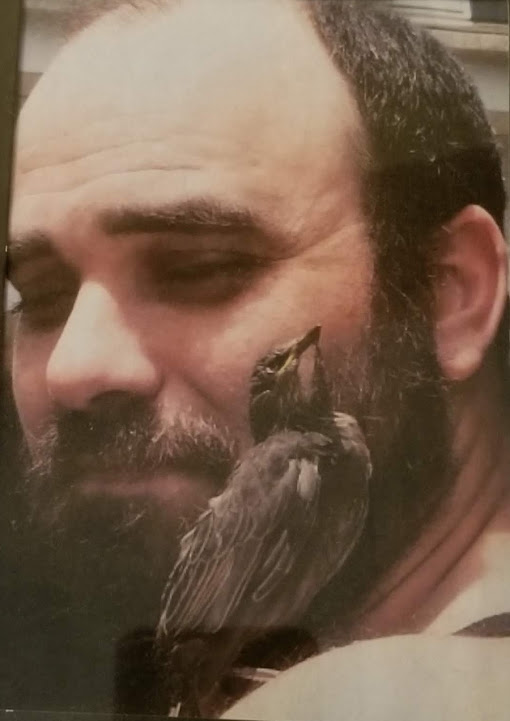


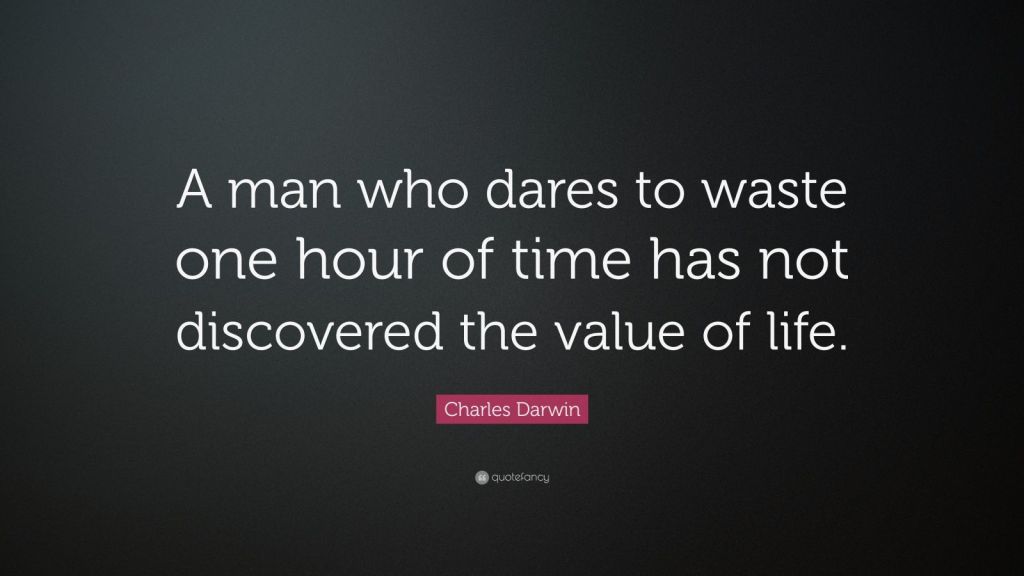






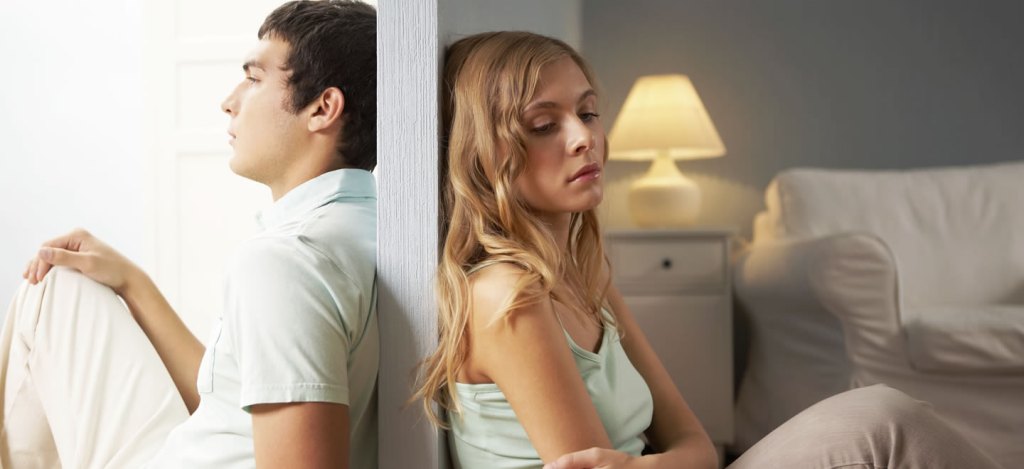
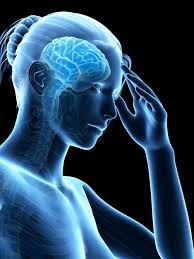







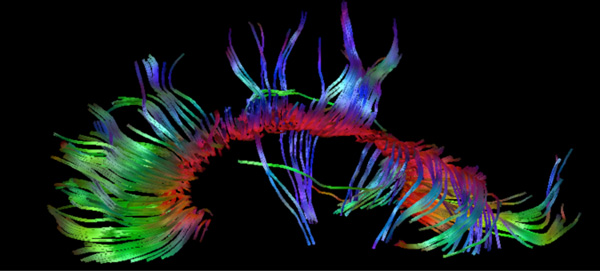




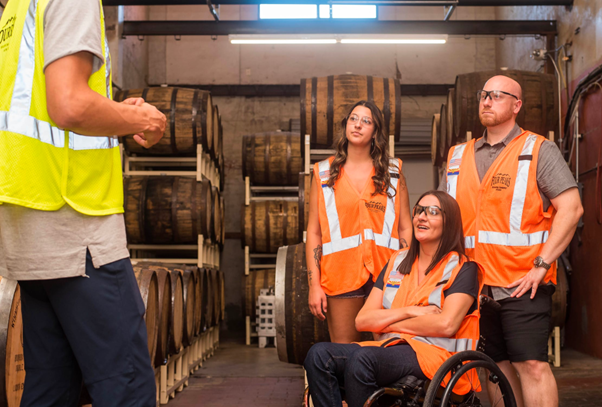



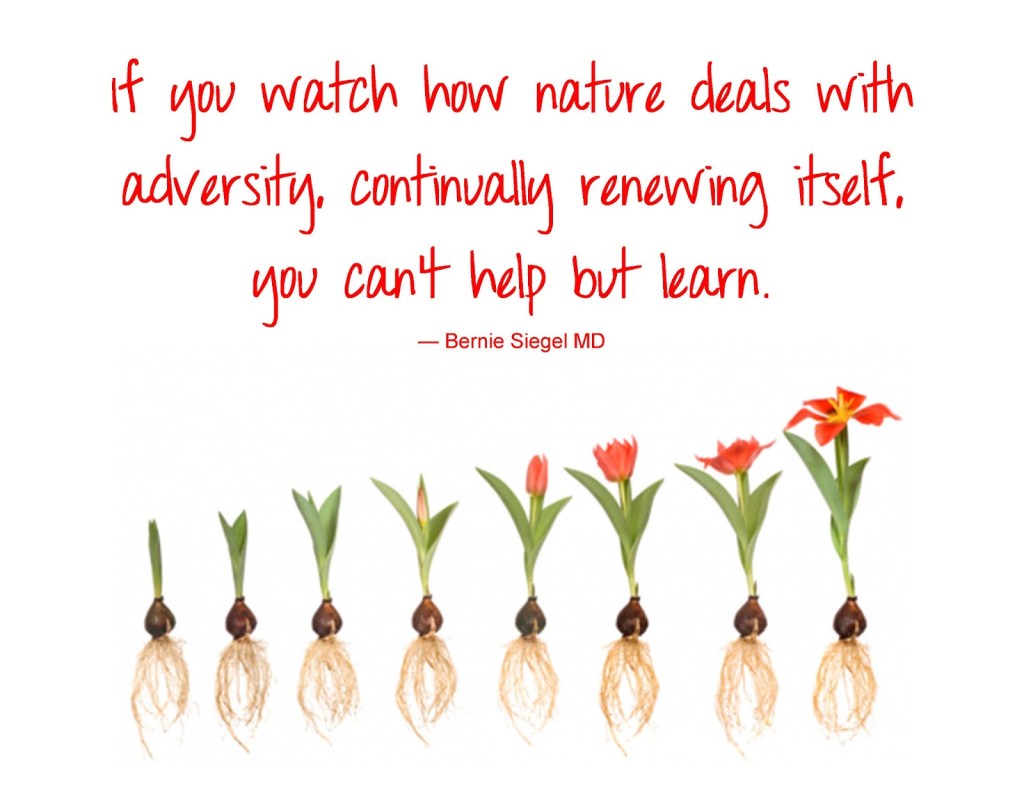










 numbers). Hang somewhere visible, so it can be seen and utilized daily. Update the same day weekly or as schedules change.
 If something changes in the schedule, write it down IN THE PLANNER. Label cupboards and storage containers as a reminder of where things are kept; label doors as a reminder of which room is which.
 Use post-it/sticky notes. You can use them anywhere in your home or personal workspace to remind you to do specific tasks (such as a sticky on a library book that has to be returned by a certain date, or start load of laundry today, etc).Once you have completed the task, it’s important to throw the post-it/sticky note away. This way you won’t accidentally redo what you already finished.
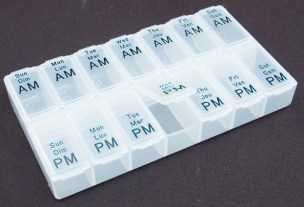 some can be set to remind you when to take your pills, with an alarm, vibration or flashing light.
 n), all medications and their dosages (remember to list any herbs, supplements taking), and list of concerns. Record meetings or appointments to go back and listen to later and take notes from the recording.
 HOPE TBI